Actress Rajshree- Interesting Things About Her
Among the many talented actresses who illuminated Hindi cinema during the 1960s, Rajshree occupies a special place. Known for her natural beauty, expressive eyes, charming screen presence, and graceful performances, she became one of the most admired actresses of her generation. Although her career in films was relatively brief, she left an enduring impression on audiences through a series of memorable performances opposite some of the biggest stars of Indian cinema.
Get Coffee Mug! Click on Image

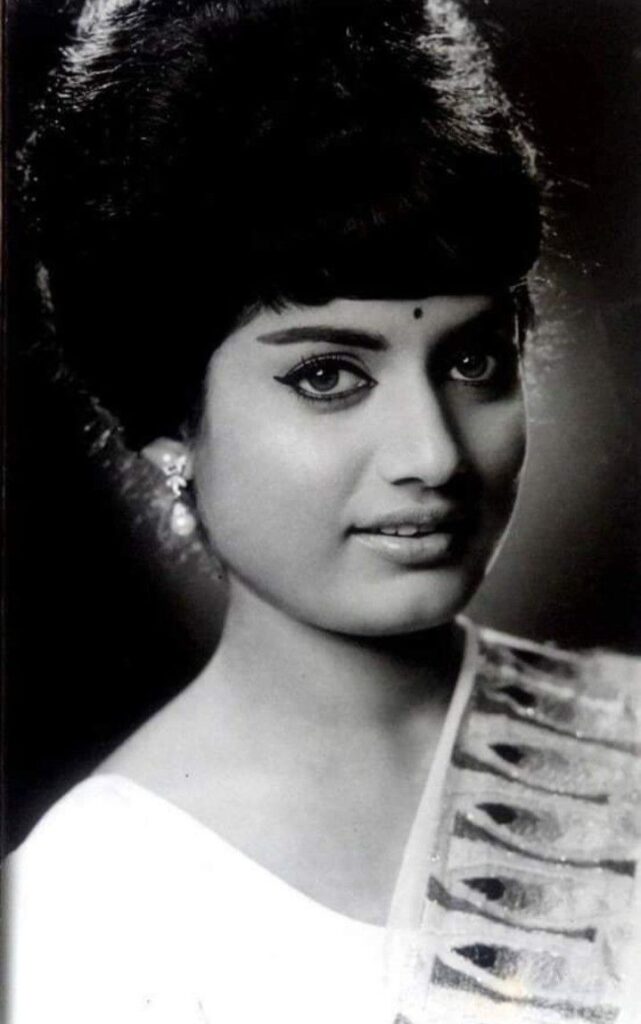
Rajshree belonged to one of the most respected film families in India. As the daughter of legendary filmmaker V. Shantaram and actress Jayashree, she inherited a rich artistic legacy. However, rather than relying solely on her family name, she established her own identity through talent, hard work, and dedication.
Enjoy your favorite shows with these wireless TV headphones!
Her story is not merely that of a successful actress; it is also the story of a woman who chose family over fame at the peak of her career and built a fulfilling life beyond the silver screen.
Early Life and Family Background
Rajshree was born into a family deeply connected with Indian cinema. Her father, V. Shantaram, was one of the pioneers of Indian filmmaking and a visionary director whose contributions shaped the development of the film industry. Through landmark films, he explored social issues, human emotions, and artistic innovation.
Growing up in such an environment, Rajshree was exposed to cinema from a very young age. Film sets, creative discussions, rehearsals, and artistic expression were a natural part of her childhood. Unlike many aspiring actors who struggle to enter the film industry, Rajshree grew up observing filmmaking from the inside.
Despite being born into privilege, her upbringing emphasized discipline and professionalism. V. Shantaram was known for his rigorous work ethic and expected the same commitment from his children. This environment helped Rajshree develop a strong sense of responsibility and artistic understanding.
As a child, she showed an interest in performing arts. Her natural elegance, confidence, and expressive personality suggested that she possessed the qualities necessary for a successful acting career.
Entry into Films
Rajshree’s entry into films was guided by her father, who recognized her potential. Like many actors from film families, she began learning the craft gradually, observing experienced performers and understanding the technical aspects of filmmaking.
Her breakthrough came with the film Geet Gaya Patharon Ne (1964), directed by V. Shantaram. The film introduced Rajshree as a leading actress and became an important milestone in her career.
The movie revolved around themes of art, love, and personal struggle. Rajshree’s performance was appreciated for its sincerity and emotional depth. Audiences were immediately drawn to her freshness and innocence, qualities that distinguished her from many contemporary actresses.
The film also helped launch the career of actor Jeetendra, making it an important project in Hindi cinema history.
With this successful debut, Rajshree established herself as a promising new talent.
Rise to Stardom
Following the success of Geet Gaya Patharon Ne, Rajshree began receiving offers from major filmmakers. Her attractive screen presence and ability to portray both romantic and emotional roles made her highly sought after.
The mid-1960s marked the beginning of her most successful period. During this time, she appeared in several commercially successful films and worked with leading actors of the era.
Unlike actresses who relied heavily on glamour, Rajshree’s appeal stemmed from her simplicity and authenticity. She often portrayed characters that reflected traditional Indian values while remaining modern and relatable.
Her performances resonated with audiences across generations, helping her gain widespread popularity.
Working with Shammi Kapoor
One of the most significant chapters in Rajshree’s career was her collaboration with Shammi Kapoor.
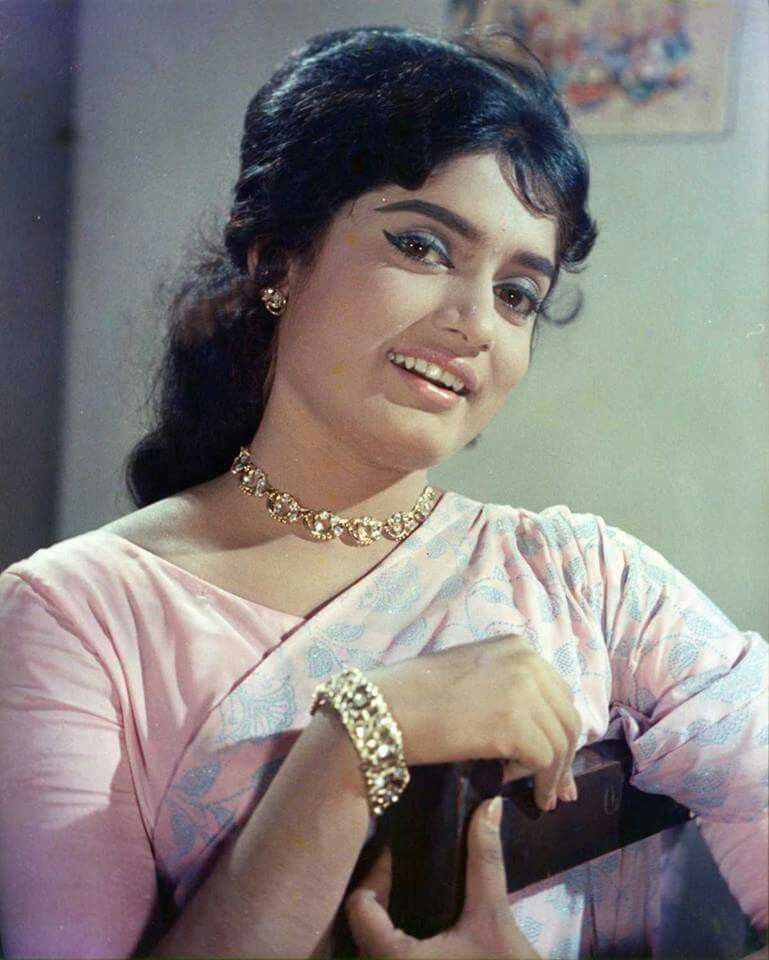
She appeared opposite Shammi Kapoor in the film Janwar (1965), which became a major success. Shammi Kapoor was known for his energetic personality and charismatic performances, while Rajshree brought elegance and emotional warmth to the screen.
Their contrasting styles complemented each other beautifully. Rajshree’s calm and graceful presence balanced Shammi Kapoor’s lively energy, creating a memorable on-screen pairing. My Amazon Page for Your Shopping https://a.co/d/0gLWFSH0https://a.co/d/0gLWFSH0
The film strengthened her position in the industry and introduced her to a wider audience.
She later appeared in Brahmachari (1968), another successful film associated with Shammi Kapoor. Though her role was not the central focus of the story, her performance contributed significantly to the film’s emotional impact.
Collaborations with Major Stars
Rajshree enjoyed the rare distinction of working with many of Hindi cinema’s leading actors.
She appeared alongside Raj Kapoor in Around the World (1967), an ambitious production that was notable for its international locations. At a time when foreign shoots were uncommon in Indian cinema, the film offered audiences a visual experience unlike anything they had seen before.
Working with Raj Kapoor provided Rajshree an opportunity to learn from one of Indian cinema’s greatest artists. Their pairing was appreciated by audiences and critics alike.
She also worked with actors such as:
- Jeetendra
- Dharmendra
- Shashi Kapoor
- Biswajeet
These collaborations helped establish her as one of the prominent actresses of the decade.
Acting Style
Rajshree’s acting style was characterized by subtlety and naturalness.
Unlike some performers who relied on dramatic gestures, she preferred understated expressions. Her performances felt genuine because she conveyed emotions through facial expressions, body language, and eye movements rather than exaggerated acting.
Her expressive eyes became one of her most recognizable features. Whether portraying happiness, sadness, love, or disappointment, she communicated emotions effectively and convincingly.
Critics often praised her ability to make characters relatable. Even when playing glamorous roles, she retained an approachable quality that audiences appreciated.
Another important aspect of her acting was her versatility. She could perform romantic scenes, emotional sequences, and light-hearted moments with equal ease.
Beauty and Screen Presence
Rajshree was widely admired for her beauty. She represented a graceful and sophisticated image of Indian womanhood during the 1960s.
Her elegance did not depend on elaborate costumes or excessive makeup. Instead, her charm came from her natural appearance, radiant smile, and confident demeanor.
Film magazines of the era frequently featured her photographs and interviews. She became a fashion inspiration for many young women, who admired her hairstyles, clothing choices, and graceful personality.
Yet, despite her popularity, Rajshree maintained a reputation for humility and professionalism.
Music and Dance in Her Films
The 1960s are often described as the golden age of Hindi film music, and Rajshree was fortunate to be part of this remarkable period.
Many songs picturized on her became highly popular. Her graceful movements and expressive performances enhanced the appeal of these musical sequences.
She possessed a natural sense of rhythm and elegance, making her an effective performer in song sequences. Whether appearing in romantic melodies or festive celebrations, she brought charm and authenticity to every performance.
Music played an important role in building her screen image and contributed significantly to her popularity.
Notable Films
Geet Gaya Patharon Ne (1964)
This film marked her breakthrough as a leading actress. Directed by V. Shantaram, it remains one of the defining works of her career.
Janwar (1965)
A major commercial success, the film showcased her ability to hold her own opposite the hugely popular Shammi Kapoor.
Around the World (1967)
This ambitious film gained attention for its international locations and visual appeal. Rajshree’s performance added warmth and charm to the story.
Brahmachari (1968)
One of the most successful films of its time, it further strengthened her reputation as a talented actress.
Dil Ne Pukara
This romantic drama highlighted her emotional range and screen presence.
Mohabbat Zindagi Hai
The film demonstrated her ability to handle mature and emotionally complex roles.
These films collectively established Rajshree as an important figure in Hindi cinema during the 1960s.
Personal Life and Marriage
At the height of her success, Rajshree made a decision that surprised many of her fans.
During a visit to the United States, she met Gregory Chapman, an American student. Their friendship gradually developed into a serious relationship.
Eventually, the couple decided to marry.
At a time when international marriages were relatively uncommon, their union attracted considerable attention. Despite cultural differences, they built a strong and lasting relationship.
After marriage, Rajshree chose to move to the United States and focus on her family life.
This decision effectively ended her film career, although she was still receiving offers and remained popular with audiences.
Leaving Cinema
Rajshree’s departure from films was not caused by a decline in popularity. On the contrary, she left the industry while still enjoying considerable success.
Her choice reflected her personal priorities. Rather than pursuing greater fame, she chose to dedicate herself to her marriage and family.
Many actors struggle to leave the spotlight, but Rajshree embraced her new life with confidence and determination.
Her decision demonstrated independence and self-awareness, qualities that earned admiration from those who knew her.
Life in America
After settling in the United States, Rajshree successfully adapted to a completely different environment.
She and her husband became involved in business and built a successful life together. Unlike many former film stars who remain closely connected to the entertainment industry, Rajshree largely stayed away from public attention.
However, she never lost her connection to Indian culture and cinema. She occasionally participated in film-related events and remained interested in developments within the industry.
Her ability to build a fulfilling second career outside films is an inspiring aspect of her life story.
Legacy in Indian Cinema
Although Rajshree’s film career lasted only a limited number of years, her impact remains significant.
She represented a generation of actresses who combined beauty with genuine acting talent. Her performances reflected the values and aspirations of Indian society during a period of rapid social and cultural change.
Film historians often remember her as one of the graceful leading ladies of the 1960s. Her films continue to be appreciated by lovers of classic Hindi cinema.
Younger audiences discovering old Hindi films frequently admire her elegance, natural acting, and timeless charm.
Influence on Future Generations
Rajshree’s career serves as an example for aspiring actors in several ways.
First, she demonstrated the importance of authenticity. Her success was built on natural performances rather than artificial glamour.
Second, she showed that professional achievement and personal happiness do not have to be mutually exclusive. By choosing family over fame, she followed a path that was true to her own values.
Third, her life illustrates the possibility of reinvention. After leaving cinema, she successfully created a new identity and career in a different country.
These qualities continue to make her story relevant and inspiring.
Conclusion
Rajshree remains one of the most charming and respected actresses of Hindi cinema’s golden era. Born into a legendary film family, she inherited a rich artistic tradition but earned recognition through her own talent and dedication. Her performances in films such as Geet Gaya Patharon Ne, Janwar, Around the World, and Brahmachari established her as a popular star during the 1960s.
What distinguished Rajshree was her combination of beauty, grace, and natural acting ability. She brought sincerity to every role and connected deeply with audiences through her expressive performances. Although her time in the film industry was relatively short, the quality of her work ensured a lasting legacy.
Beyond her cinematic achievements, Rajshree’s life story is one of courage and personal conviction. She chose family over continued stardom and successfully built a new life abroad, proving that fulfillment can be found beyond fame.
Today, decades after her departure from the silver screen, Rajshree continues to be remembered with affection and admiration. Her films remain treasured by lovers of classic Hindi cinema, and her contribution to Indian film history secures her place among the memorable actresses of the golden age.