
Raja Shivaji Movie Review
Raja Shivaji is an ambitious historical epic that attempts to bring the life of the legendary Maratha ruler Chhatrapati Shivaji Maharaj to the big screen with grandeur, emotion, and cinematic scale. Directed by Riteish Deshmukh, who also plays the lead role, the film tries to balance history, patriotism, action, and emotional storytelling. Historical films are always difficult to make because audiences expect both authenticity and entertainment. Raja Shivaji largely succeeds in creating an engaging cinematic experience that celebrates the courage, leadership, and vision of one of India’s most respected historical figures.
This smart TV is great for streaming your favorite shows. It has amazing picture quality and smart features 😊
The story follows Shivaji Maharaj’s rise from a determined young warrior to the founder of Swarajya. Instead of portraying him as a perfect and invincible hero from the beginning, the film presents him as a human being shaped by struggle, sacrifice, and responsibility. The narrative explores his early life, the influence of his mother Jijabai, his dream of self-rule, and his determination to resist oppressive forces.
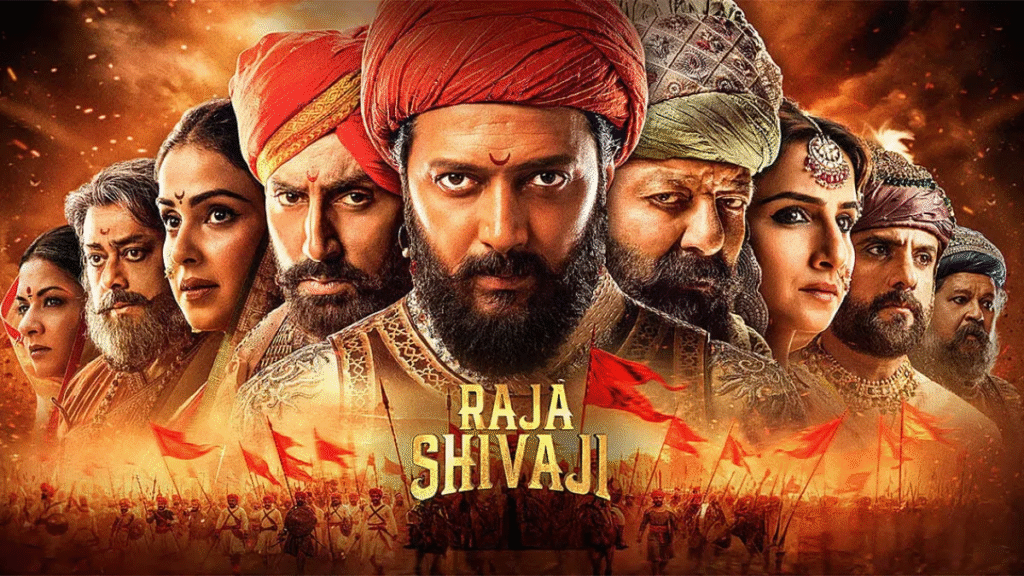
One of the most impressive aspects of the film is its visual scale. The filmmakers have clearly invested heavily in creating a grand historical atmosphere. Massive forts, royal courts, battlefields, and landscapes of the Western Ghats are recreated with detail and cinematic beauty. The cinematography captures the natural beauty of mountains and forts while also emphasizing the harsh realities of war. Many scenes feel visually powerful because of the way light and shadows are used to create drama.
The production design also deserves appreciation. Costumes, weapons, palace interiors, and military camps all contribute to making the world believable. Traditional Maratha clothing and armor give the film historical flavor and help audiences feel transported into seventeenth-century India. The attention to detail in the design of forts and royal settings adds authenticity to the cinematic experience.
Music plays a major role in strengthening the emotional impact of the film. The background score is powerful and dramatic, especially during battle scenes and emotional moments. Patriotic songs and motivational themes create a sense of pride and excitement. The music successfully supports the narrative and often elevates ordinary scenes into memorable cinematic moments.
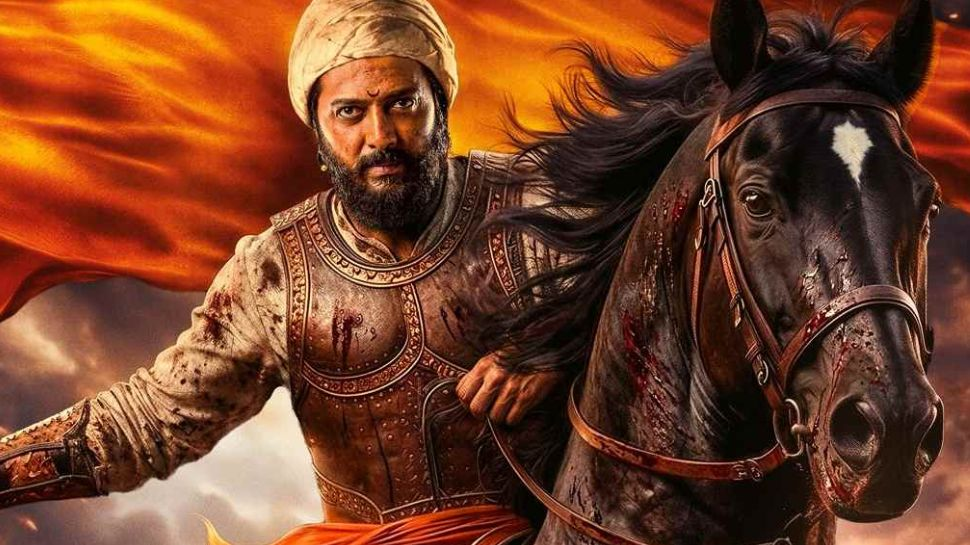
Another strength of the film Raja Shivaji is the emotional focus on the idea of Swarajya. The film repeatedly emphasizes freedom, justice, and self-respect. These themes are not presented only through speeches but also through the struggles faced by the characters. The relationship between Shivaji and his mother becomes especially important because it represents the emotional and ideological foundation of his leadership. https://superprofile.bio/mayankshekharadvbgp
Although the film is visually impressive, there are moments where the visual effects appear less convincing. Some battle sequences rely heavily on CGI, and not all of it looks realistic. While several action scenes are thrilling and grand, a few moments lose impact because of artificial-looking effects. Considering the scale of the film, audiences may expect more polished visual effects throughout.
Despite these flaws, the first half of the film successfully builds emotional investment in Shivaji’s journey. It introduces political tensions, personal struggles, and the growing dream of establishing Swarajya. The storytelling creates anticipation for the larger conflicts that follow.
Raja Shivaji movie Performances and Character Portrayals
Riteish Deshmukh’s performance as Shivaji Maharaj is one of the most discussed aspects of the film. Taking on such an iconic role is a major challenge because audiences already have a powerful image of Shivaji Maharaj in their minds. Riteish approaches the role with sincerity and dedication. His physical transformation, expressions, and body language show clear effort and commitment.
In emotional scenes, Riteish performs very effectively. Conversations with his mother, moments of doubt, and scenes involving personal sacrifice feel natural and heartfelt. He succeeds in portraying Shivaji as a thoughtful and emotionally driven leader rather than simply a warrior. This humanized portrayal helps audiences connect with the character on a deeper level.
However, there are moments when his performance lacks the commanding intensity expected from such a legendary historical figure. Shivaji Maharaj is remembered as a fearless strategist and charismatic ruler, and some viewers may feel that the performance occasionally misses that larger-than-life authority. Still, Riteish deserves credit for taking on such a demanding role and delivering a performance filled with honesty and passion.
The supporting cast contributes significantly to the strength of the film. Sanjay Dutt delivers one of the strongest performances as Afzal Khan. His screen presence is powerful, and he brings menace and arrogance to the character. Every scene involving him carries tension, making him a memorable antagonist. The rivalry between Shivaji and Afzal Khan becomes one of the film’s most compelling dramatic elements.
Vidya Balan also leaves a strong impression with her dignified and emotionally layered performance. She adds emotional weight to the narrative and strengthens the film’s dramatic scenes. Her dialogues are delivered with confidence and grace, making her character memorable despite limited screen time.
Abhishek Bachchan performs well in political and dramatic scenes, though his performance occasionally feels uneven. Genelia Deshmukh gives a sincere performance, but her character could have been written with greater depth and complexity. Some supporting characters are underdeveloped, and the film could have benefited from giving them stronger emotional arcs.
The chemistry between the actors helps maintain audience engagement throughout the film. Emotional scenes involving family relationships are especially effective because the actors perform with conviction. The bond between Shivaji and Jijabai becomes one of the emotional highlights of the film.
The dialogues in the film are often powerful and inspirational. Many lines about freedom, self-respect, and courage are written to inspire audiences. These dialogues contribute to the patriotic atmosphere of the film. However, at times the writing becomes overly dramatic and repetitive, which slightly affects the natural flow of the narrative.
The battle sequences are another area where performances matter greatly. Actors involved in war scenes display energy and intensity, making the conflicts feel emotionally important rather than merely visual spectacles. Sword fights, cavalry attacks, and strategic confrontations create excitement and tension.
One of the film’s most memorable moments is the confrontation between Shivaji and Afzal Khan. The sequence is filled with suspense, emotion, and dramatic energy. The performances in this scene make it one of the strongest moments in the entire film.
Strengths, Weaknesses, and Final Verdict
The greatest strength of Raja Shivaji is its emotional sincerity. Unlike some historical films that focus only on spectacle, this movie genuinely tries to honor the legacy of Shivaji Maharaj. It presents him not only as a warrior but also as a visionary leader who fought for justice and self-rule. This emotional depth gives the film a strong connection with audiences.
Another major strength is the film’s ambition. It attempts to create a large-scale historical epic with emotional storytelling, political drama, and action. The filmmakers clearly wanted to make a film that feels grand and important, and in many ways they succeed.
The cinematography and music deserve special appreciation because they create much of the film’s emotional and visual power. Several scenes remain memorable because of the combination of visuals and background score. The patriotic atmosphere created by the music adds intensity to the storytelling.
However, the film is not without weaknesses. One of the biggest problems is pacing. The runtime feels too long, and certain scenes could have been edited more tightly. Some conversations and dramatic moments become repetitive, slowing down the narrative. A shorter runtime might have made the film more impactful.
The screenplay also occasionally struggles to balance emotional drama with historical storytelling. Some scenes focus heavily on speeches and emotional dialogues, which may reduce the pace of the film. Certain characters also deserved more development, especially supporting political figures and warriors.
Another weakness is the inconsistent quality of visual effects. While some battle scenes look impressive, others feel artificial because of weak CGI. This inconsistency affects immersion during a few important moments.
Historical films often face criticism regarding accuracy, and Raja Shivaji is no exception. Some viewers may debate the historical authenticity of certain scenes or dramatic liberties taken for cinematic purposes. However, the film’s primary goal appears to be emotional storytelling and celebration of Shivaji Maharaj’s legacy rather than strict historical documentation.
Despite its flaws, the film succeeds in leaving a strong emotional impact. It inspires admiration for Shivaji Maharaj’s courage, leadership, and vision. The themes of sacrifice, resistance, and self-respect remain relevant and emotionally powerful.
For audiences interested in Indian history and historical epics, Raja Shivaji offers an engaging cinematic experience filled with action, emotion, and patriotic spirit. It may not be a flawless masterpiece, but it is undoubtedly a sincere and ambitious tribute to one of India’s greatest historical icons.
In conclusion, Raja Shivaji is a visually grand and emotionally charged historical drama that succeeds because of its sincerity, performances, music, and patriotic spirit. Riteish Deshmukh deserves appreciation for taking on such a challenging project with passion and dedication. While the film suffers from pacing issues and uneven visual effects, its emotional strength and respect for Shivaji Maharaj’s legacy make it a memorable cinematic experience. The movie reminds audiences why Shivaji Maharaj continues to inspire generations as a symbol of courage, leadership, and the dream of Swarajya.