
Boong movie gets BAFTA award
Boong presents a simple story with deep emotional meaning. The film follows the journey of a young boy who searches for belonging and dignity. The narrative moves through quiet villages and small communities. The setting creates an atmosphere of realism and warmth. The director shapes the story with patience and sensitivity. Each scene unfolds with natural rhythm.
Boong – A Gentle Story with a Strong Heart
Story and Emotional Core
The central character carries innocence and determination. He faces social challenges with courage beyond his age. The script builds his world through small daily struggles. Family relationships shape much of the emotional weight. Silence often speaks louder than dialogue. The film trusts the audience to observe and feel.
Boong explores themes of identity and acceptance. It highlights the gap between tradition and modern change. The boy’s journey reflects larger social questions. The story avoids dramatic exaggeration. Instead, it chooses honesty and simplicity. That restraint strengthens its impact.

The pacing remains calm throughout the film. Moments of joy balance moments of hardship. The screenplay creates emotional connection without manipulation. Viewers feel empathy rather than pity. The narrative respects its characters deeply. Dignity defines the storytelling.
The rural backdrop adds authenticity to the plot. Landscapes support the emotional tone. Community interactions reveal both kindness and prejudice. The environment shapes character behavior. Social realities influence decisions. Context enriches meaning.
The film does not rely on loud twists or spectacle. It builds tension through subtle conflict. Conversations carry emotional depth. Gestures reveal inner struggle. The climax resolves conflict with thoughtful closure. Satisfaction comes from understanding rather than surprise.

Boong ultimately delivers a message of hope. The child’s resilience becomes the heart of the story. Small victories feel meaningful. Growth emerges through experience. The ending leaves a gentle impression. Reflection continues after the credits roll.
Performances and Direction
The performances anchor the emotional strength of Boong. The young lead actor delivers a natural and sincere portrayal. His expressions communicate fear, curiosity, and determination. The camera captures his innocence with care. Authenticity defines his performance. Viewers connect with his quiet strength.
The director approaches the subject with sensitivity. Scenes flow with patience and clarity. The camera avoids dramatic excess. Close-ups highlight emotional moments gently. Framing emphasizes isolation when needed. Visual storytelling enhances narrative depth. Boong
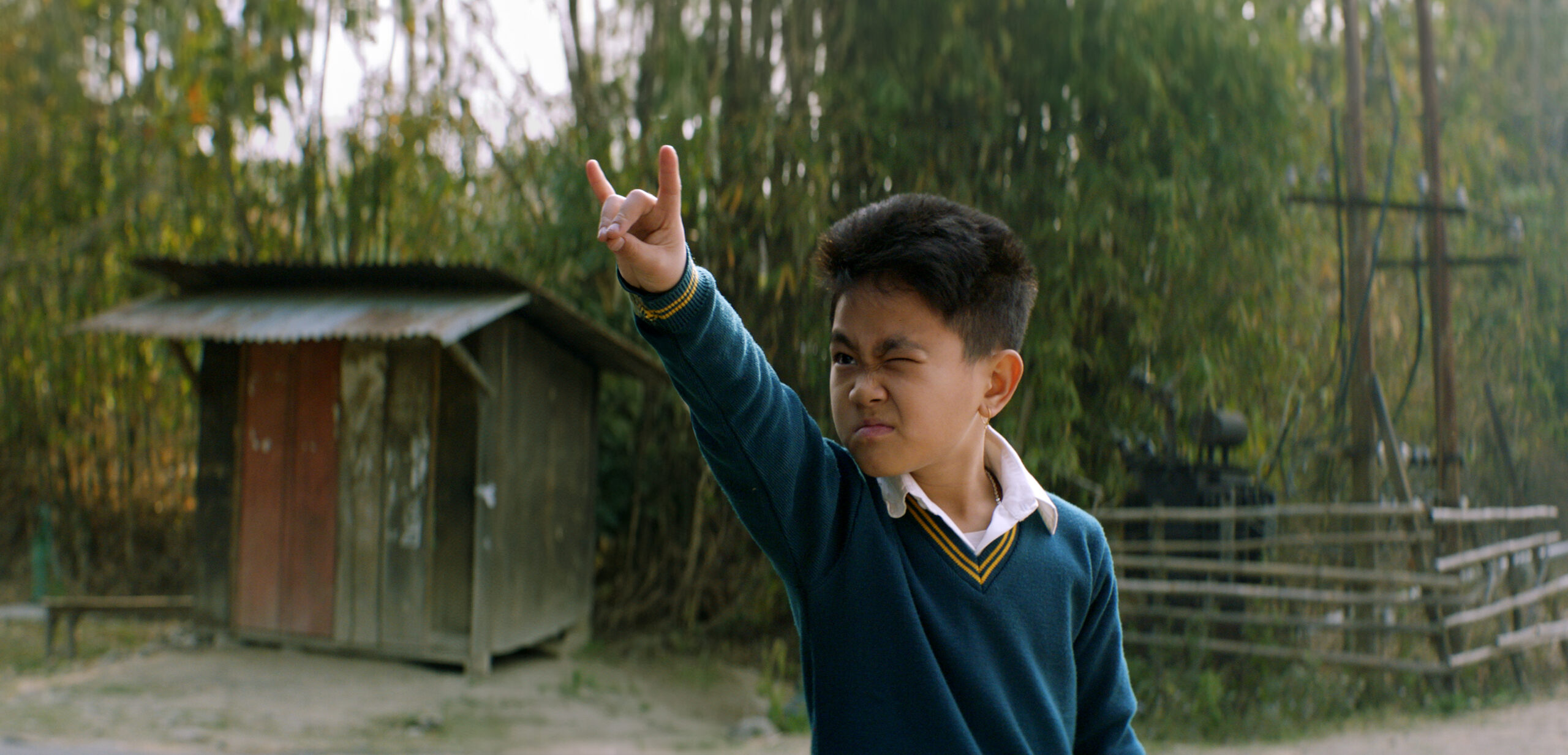
Dialogue remains simple and purposeful. Conversations feel grounded in everyday language. Emotional exchanges avoid theatrical exaggeration. Silence becomes a powerful tool. Pauses allow meaning to settle. Subtlety enriches engagement.
The cinematography captures rural life beautifully. Natural lighting enhances realism. Wide shots establish environment and scale. Intimate frames focus on personal emotion. Visual contrast reflects inner conflict. Imagery supports theme.
The film’s music complements rather than dominates. Background score enhances emotional transitions softly. Melodies echo the innocence of childhood. Sound design preserves environmental authenticity. Birds, wind, and distant voices create immersion. Harmony strengthens atmosphere. https://www.amazon.com/shop/mayankshekharnanhejee
Editing maintains steady pacing throughout. Scenes transition smoothly without abrupt shifts. The rhythm reflects the character’s journey. Balance guides structure. Clarity defines progression. Focus remains consistent.
Direction and performance combine to create sincerity. The film avoids forced drama. Instead, it offers lived-in realism. Emotional truth drives engagement. Craft supports message. Artistic unity shapes experience.
Impact, Themes, and Final Verdict
Boong stands out for its honest portrayal of childhood within social boundaries. The film addresses themes of marginalization with sensitivity. It presents cultural complexity without judgment. The narrative respects human dignity. Compassion shapes perspective. Insight guides storytelling.
The film also highlights the importance of voice and recognition. The young protagonist seeks acceptance in a world that often misunderstands him. Society influences personal growth. Community response affects self-worth. Awareness becomes central. Empathy defines resolution.
Boong contributes meaningfully to regional Indian cinema. It brings attention to underrepresented communities. Representation strengthens authenticity. Cultural context enriches global understanding. Diversity enhances cinema. Inclusion drives conversation.
The emotional tone remains balanced throughout. Hope exists alongside realism. Challenges appear without melodrama. The film avoids heavy moral preaching. Instead, it invites reflection quietly. Thoughtfulness defines its approach.
Critics may praise its sincerity and focus. Some viewers might find the pacing slow. Yet patience rewards attentive audiences. Subtle storytelling requires engagement. Depth unfolds gradually. Appreciation grows with reflection.
The child’s journey symbolizes resilience. Growth emerges through adversity. Small acts of courage create change. Compassion bridges divides. Strength arises from vulnerability. Transformation occurs quietly.
Boong leaves lasting impact through simplicity. It avoids spectacle yet commands attention. The narrative trusts emotional intelligence. Craft serves message consistently. The film respects both subject and viewer. Integrity shapes final impression.
In conclusion, Boong offers a heartfelt cinematic experience rooted in realism and compassion. It combines strong performances with thoughtful direction. The rural setting adds authenticity and cultural richness. Themes of identity and belonging resonate universally. Emotional sincerity defines its tone. The film reminds audiences that powerful stories do not require grand scale.
Boong succeeds through quiet confidence and human connection. It celebrates resilience without exaggeration. It presents social truth with dignity. The young protagonist’s journey inspires hope gently. Cinema finds strength in simplicity here. The film earns appreciation for honesty and depth.
Through measured storytelling and authentic performances, Boong proves that meaningful cinema can arise from modest settings. It invites viewers to listen carefully and observe closely. It values emotion over spectacle. Boom honours childhood courage and community reflection. Ultimately, Boong stands as a thoughtful and moving contribution to contemporary Indian cinema.