Actor Dharmendra- A Biography
Dharmendra is one of the most respected actors in Indian cinema. People lovingly call him “He-Man” of Hindi films. He ruled the screen with strength, emotion, and simplicity. His career shows dedication, patience, and passion for acting. He connected deeply with common people through his roles.Dharmendra was born on 8 December 1935. His birthplace is Nasrali village in Punjab. He grew up in a simple farming family. His early life remained modest and disciplined. He studied in a village school. Films attracted him from a young age. He watched movies with deep interest. He dreamed of becoming an actor despite limited resource.
Get Coffee Mug! Click on Image

Dharmendra came to Mumbai to chase his dream. The city tested his courage and patience. He faced struggles like many newcomers. He attended film studios regularly. Dharmendra participated in a Filmfare talent contest. His good looks and confidence impressed people. Film producers noticed his potential. He soon received film offers.
Dharmendra-Entry into Cinema
This smart TV is great for streaming your favorite shows. It has amazing picture quality and smart features!
Dharmendra entered Hindi cinema in 1960. His debut film was Dil Bhi Tera Hum Bhi Tere. The film gave him recognition. His sincere acting impressed viewers. Directors saw promise in his performance. He slowly gained more roles. His journey started with steady progress.The 1960s shaped Dharmendra’s foundation. He acted in romantic and emotional films. His soft expressions suited love stories. Films like Phool Aur Patthar brought major success. This film established him as a leading actor. His performance showed strength and sensitivity. Audiences admired his natural style.
Dharmendra became popular among young viewers. His handsome face attracted fans. His simplicity created trust. He avoided artificial acting. He focused on honest emotions. This quality made him relatable. His characters felt real and grounded.
Turning Point and Success
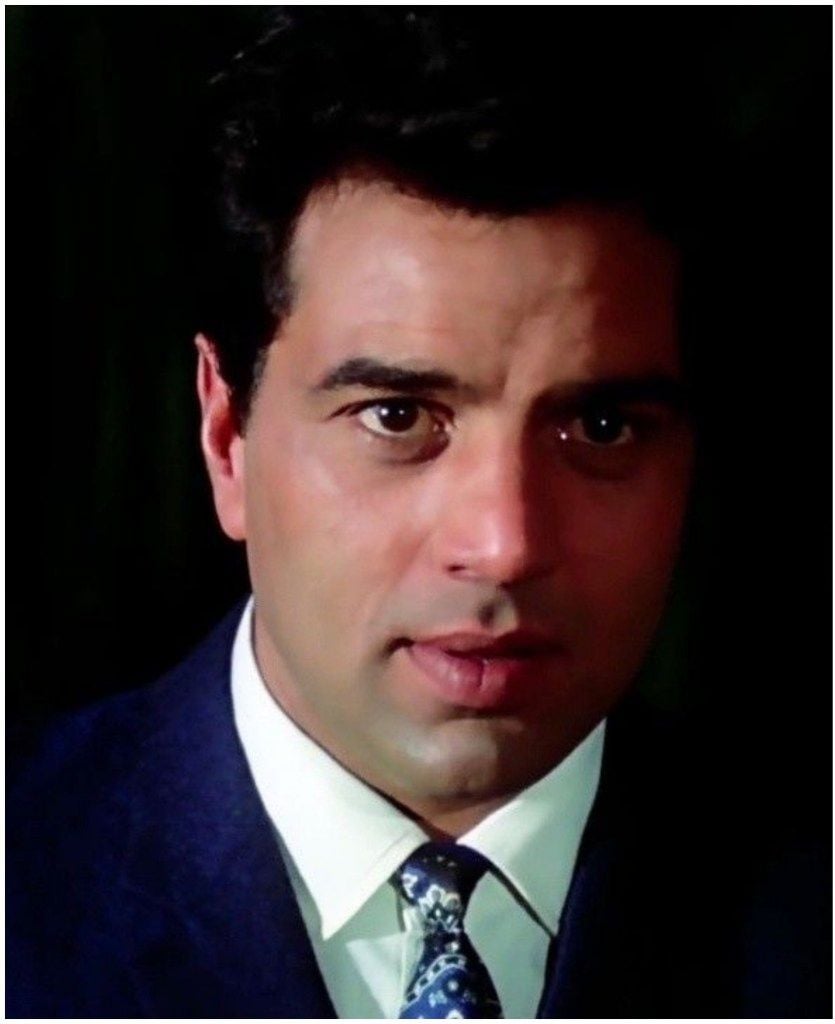
The 1970s marked a turning point. Dharmendra emerged as an action hero. His strong body suited tough roles. He performed fight scenes with confidence. Films like Mera Gaon Mera Desh increased his fame. He played fearless characters with ease. His screen presence became powerful.
Versatility
The nickname “He-Man” came during this phase. Audiences admired his physical strength. His action scenes felt believable. He did not depend on excessive stunts. His raw energy carried each scene. He balanced action with emotion well.Dharmendra also delivered memorable romantic roles. He starred in Sholay, which became historic. His role as Veeru remains unforgettable. He brought humor, friendship, and courage to the character. His chemistry with Amitabh Bachchan impressed viewers. The film still enjoys massive popularity. https://www.amazon.com/shop/mayankshekharnanhejee
Sholay showcased his versatility. He handled comedy and action together. He displayed deep friendship emotions. His dialogue delivery felt natural. This role strengthened his legendary status.
Grace
Dharmendra worked with many top actresses. He shared strong on-screen chemistry with Hema Malini. Their pairing became iconic. Films like Seeta Aur Geeta and Raja Jani earned success. Their performances felt lively and engaging.Dharmendra married Hema Malini later in life. Their relationship drew public attention. They remained admired as a film couple. His personal life stayed connected with cinema.
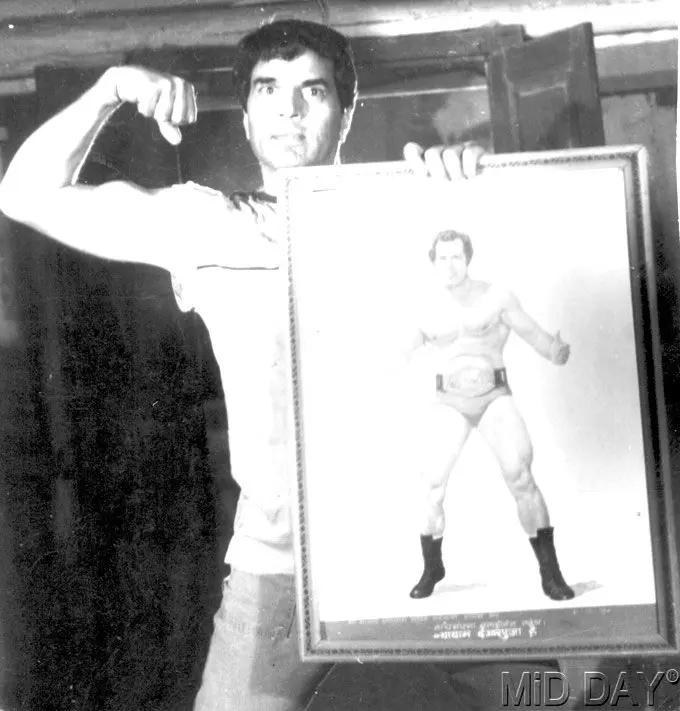
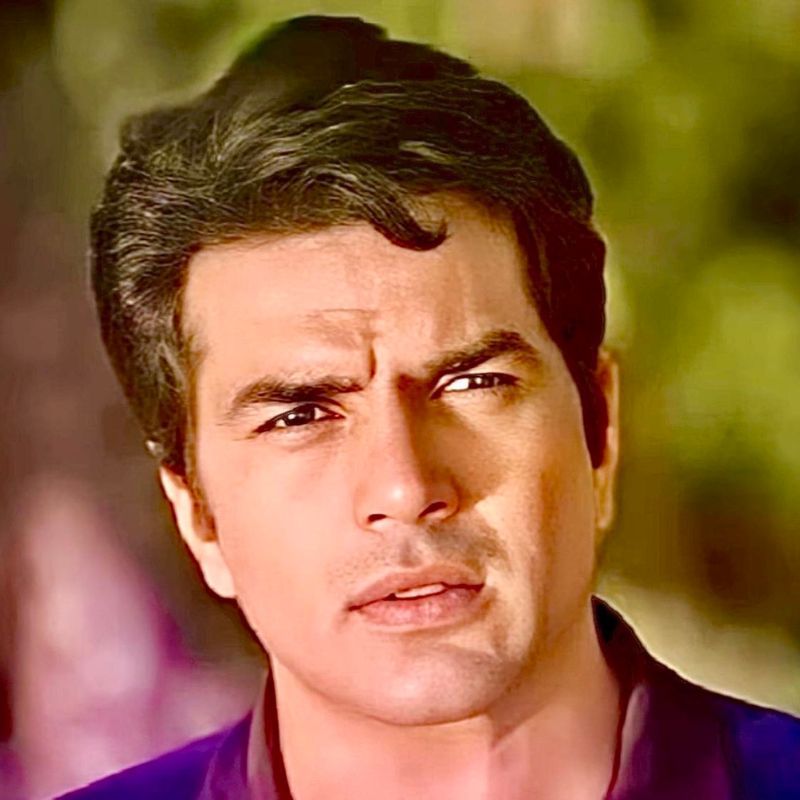
Dharmendra acted in family dramas with grace. Films like Chupke Chupke showed his comic timing. He played a simple man convincingly. His subtle humor impressed critics. This film proved his range beyond action.He never limited himself to one genre. Dharmendra accepted diverse roles. He portrayed villagers, soldiers, lovers, and rebels. Each character reflected sincerity. His dedication to roles remained consistent.
Range
Dharmendra also worked in Punjabi cinema. He supported regional films. Dharmendra respected his roots deeply. He often expressed pride in Punjabi culture. This connection earned him admiration across regions.During the 1980s, he continued acting actively. He adapted to changing cinema trends. Dharmendra accepted mature roles gracefully. He shared screen space with younger actors. His presence added depth to films.
Dharmendra also tried film production. He launched his sons into cinema. Sunny Deol and Bobby Deol entered films under his guidance. He supported their careers strongly. He remained a pillar for his family.As a father, Dharmendra showed encouragement. He believed in discipline and hard work. Dharmendra avoided imposing pressure. He allowed his children to grow independently.
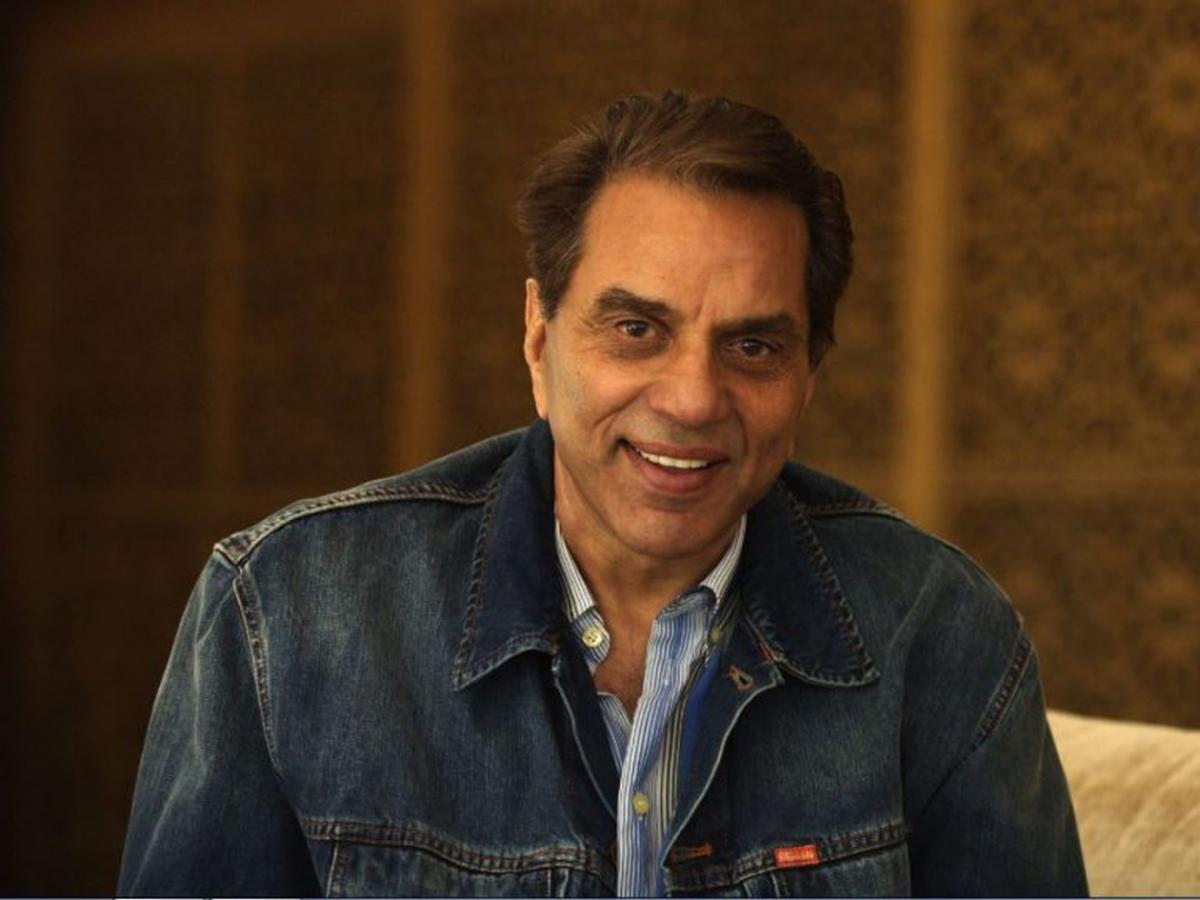
Dharmendra’s acting style remained simple. He avoided overacting. He trusted facial expressions. His eyes conveyed emotions strongly. This quality made scenes impactful.
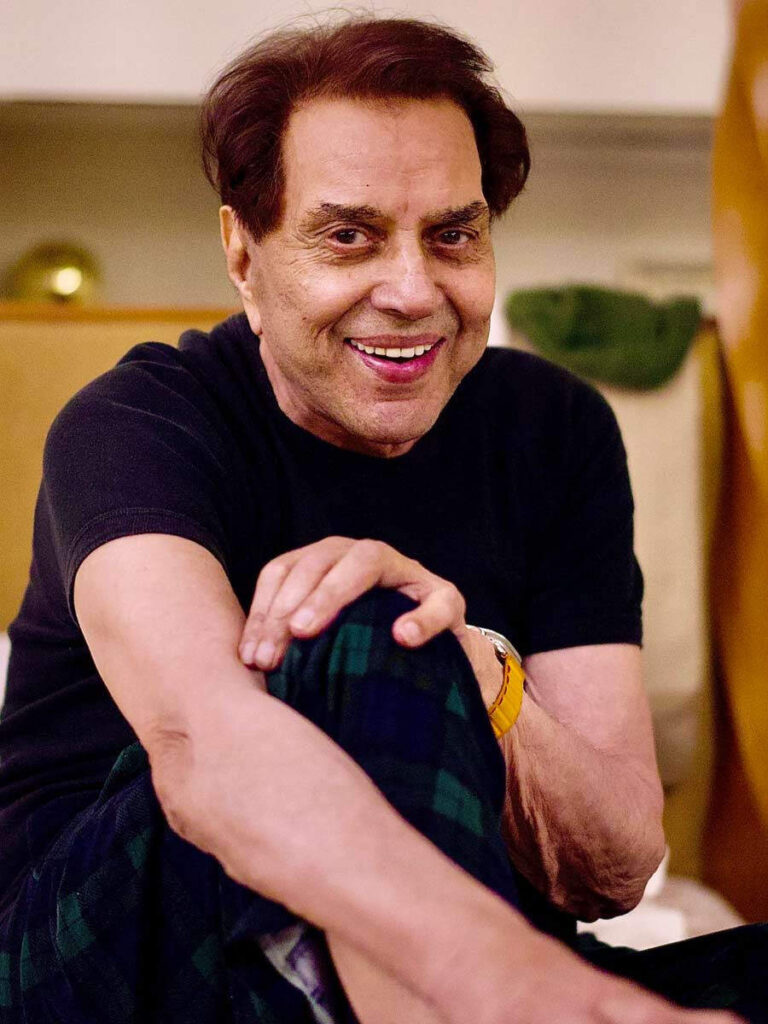
He respected directors and co-actors. He maintained professionalism on sets. Many colleagues praised his humility. Despite success, he stayed grounded.Dharmendra received several awards. He earned Filmfare recognition for his work. He also received lifetime achievement honors. These awards celebrated his long contribution. They reflected industry respect.The Indian government honored him with Padma Bhushan. This award recognized his cultural impact. His cinema contribution enriched Indian films. Fans celebrated this recognition widely.
Even in later years, Dharmendra stayed active. He appeared in supporting roles. His performances carried warmth and wisdom. He adapted to age with dignity. Dharmendra also entered politics briefly. He contested elections as a Member of Parliament. His popularity influenced voters. He later returned focus to cinema and family.
Legacy
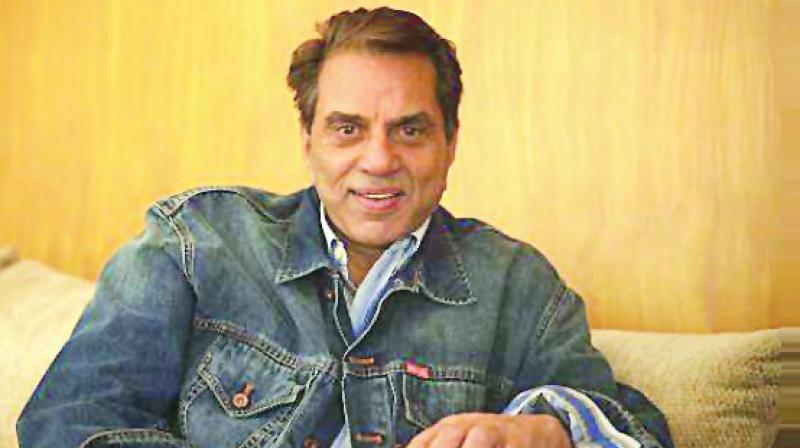
Dharmendra’s legacy remains strong. New generations discover his films. Television and digital platforms keep his work alive. His characters continue to inspire.He represents an era of honest cinema. His films reflect simplicity and strength. He stood for values like courage and loyalty. These qualities connect across generations.Dharmendra’s life story inspires dreamers. He came from a village background. He reached national fame through effort. His journey proves persistence matters.
Today, Dharmendra enjoys legendary status. Fans admire him across age groups. His smile still charms audiences. His name carries respect.He never forgot his roots. Dharmendra often spoke about rural life. He respected farmers and workers. This humility increased public respect.Dharmendra remains a symbol of classic Hindi cinema. His contribution shaped storytelling. Dharmendra’s roles influenced action heroes. His emotional depth influenced romantic leads.
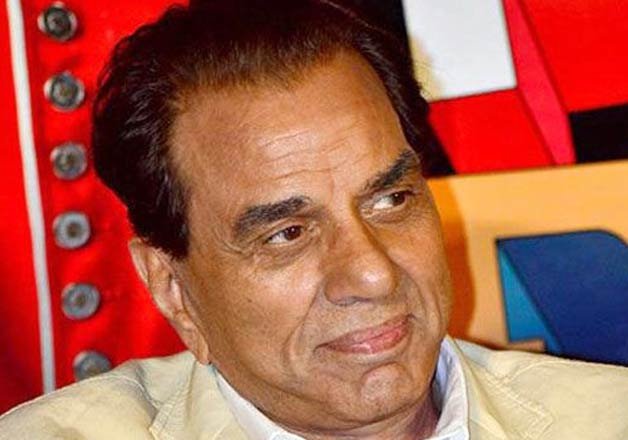
In conclusion, Dharmendra stands as a true cinema icon. His career spans decades of dedication. He balanced strength and sensitivity beautifully. His simple acting touched millions. His legacy will continue to shine in Indian cinema history.