
Actor Dilip Kumar Story Video
Dilip Kumar remains one of the most respected names in Indian cinema. Audiences remember him for his quiet power and emotional depth. Critics admire him for discipline and realism. Colleagues praise him for integrity and patience. His career shaped acting styles for decades. His work also shaped how Hindi films told human stories. This essay explores his journey, his art, and his lasting influence.
Early Life and the Making of a Star
Dilip Kumar was born as Muhammad Yusuf Khan in Peshawar. His family valued education and tradition. He grew up with curiosity and restraint. A young Yusuf learned languages and manners early. These skills later helped him command dialogue and silence alike. Fate guided him to Bombay during a time of change. The film industry searched for new faces and new ideas.
A chance meeting introduced him to filmmaking. Producers noticed his calm presence and thoughtful eyes. He adopted the name Dilip Kumar to enter cinema. This change marked a new identity. His early films tested his patience. Some projects failed to shine. However, he studied scripts carefully and refined his craft. Each role taught him control and empathy.
Success arrived with steady work. Films like Jugnu and Shaheed brought attention. Audiences sensed honesty in his performances. He avoided loud gestures and empty glamour. Instead, he used measured speech and expressive pauses. This approach felt fresh and sincere. As a result, viewers connected deeply with his characters.
Training mattered to him. He read literature and observed real people. He practiced voice modulation and body language. Directors trusted his preparation. Co-actors felt supported by his seriousness. Thus, a foundation formed for a remarkable career. The industry gained an actor who valued truth over spectacle.
Mastery of the Tragic and the Human
Dilip Kumar earned the title “Tragedy King” for a reason. He portrayed pain with dignity and depth. Films like Andaz, Deedar, and Devdas defined his legend. Each role carried sorrow without excess. He conveyed heartbreak through controlled emotion. His eyes often spoke louder than words.
In Devdas, he transformed despair into poetry. The character suffered loss and longing. Dilip Kumar showed weakness without ridicule. He allowed silence to carry meaning. This restraint made scenes unforgettable. Viewers felt compassion rather than pity. Such balance required confidence and discipline.
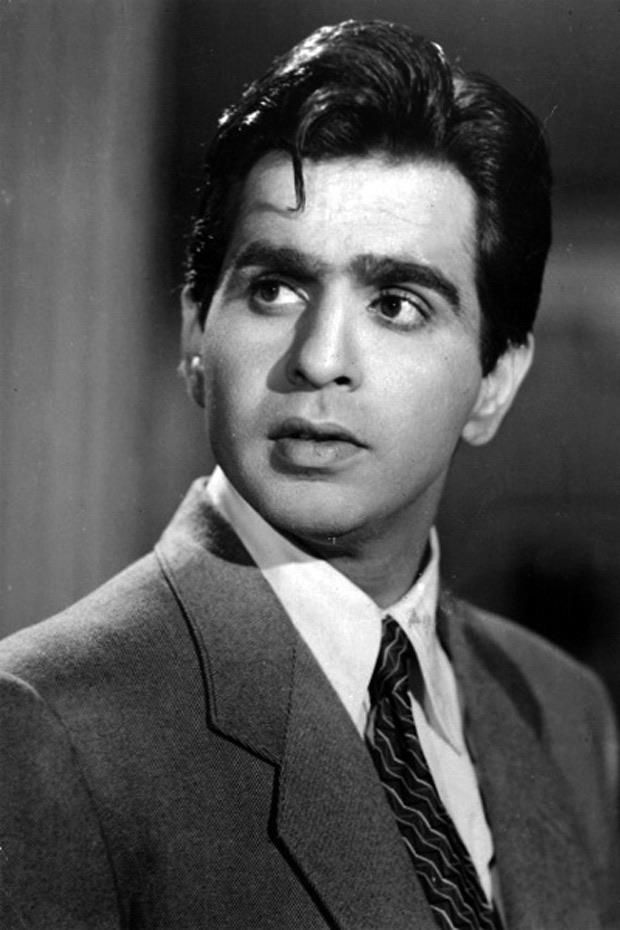
Yet tragedy did not limit him. He explored social themes with care. In Do Bigha Zamin, he played a poor farmer facing injustice. The role demanded realism and humility. He delivered both with grace. The film connected cinema with social conscience. Audiences recognized their own struggles on screen.
He also handled romance with maturity. In Mughal-e-Azam, he portrayed Prince Salim with passion and conflict. Love clashed with duty in that epic tale. Dilip Kumar balanced intensity with nobility. His chemistry with Madhubala became iconic. Grand sets framed a deeply human story.
Comedy entered his repertoire later. Films like Ram Aur Shyam showcased versatility. He played dual roles with contrast and energy. Humor flowed naturally without exaggeration. This range surprised many admirers. It proved his adaptability and confidence. Great actors evolve, and he did.
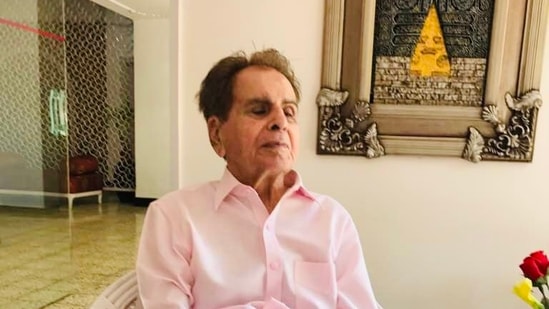
Awards followed consistently. He won multiple Filmfare Awards. Honors recognized both talent and contribution. Still, he remained modest in public life. Praise never replaced purpose for him. He believed acting served society. That belief guided his choices and performances.
Legacy, Influence, and Enduring Respect
Dilip Kumar’s influence extends beyond films. He changed acting education in India. Younger actors studied his methods and restraint. Names like Amitabh Bachchan acknowledged his inspiration. Generations learned that quiet strength can command attention. Cinema matured through his example.
He encouraged realism at a time of melodrama. Scripts became deeper and characters more layered. Directors wrote roles with psychological depth. This shift elevated storytelling standards. Hindi cinema gained credibility and nuance. His presence pushed peers to improve.
Off screen, he lived with dignity. He spoke thoughtfully on public matters. He avoided scandal and excess. His marriage to Saira Banu reflected mutual respect and affection. Fans admired their bond. Personal life reinforced his public image of grace.
The nation recognized his service. He received the Padma Bhushan and Padma Vibhushan. Pakistan honored him with Nishan-e-Imtiaz. Such recognition crossed borders and politics. Art united people through shared emotion. His career symbolized that unity.
In later years, he reduced appearances. Age demanded rest and reflection. Still, his legacy remained active. Television reruns introduced him to new audiences. Film schools discussed his scenes and choices. Digital platforms preserved his classics. Memory stayed alive through craft. https://www.amazon.com/shop/mayankshekharnanhejee
When he passed away, tributes poured in. Leaders, artists, and fans expressed gratitude. They remembered a man who elevated cinema. They celebrated a career built on honesty. Loss felt personal for many. His films had accompanied their lives.
Dilip Kumar’s story teaches patience and purpose. He proved that success grows from discipline. He showed that emotion needs control. He demonstrated that art can heal and reflect society. His journey continues through influence and inspiration. Indian cinema stands taller because he stood firm.
In conclusion, Dilip Kumar was more than a star. He was a standard. His performances shaped hearts and minds. His values shaped an industry. Time moves forward, but his work remains present. As long as stories seek truth, his legacy will endure.