
Singer Mukesh-His Own Story
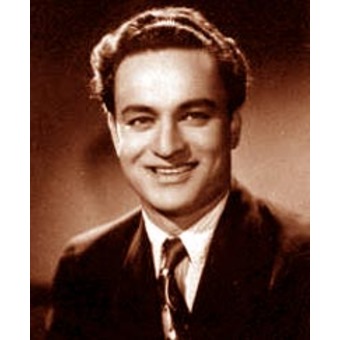
Mukesh remains one of the most loved playback singers in Indian cinema. Listeners remember his voice for its honesty and emotional depth. He sang songs that touched ordinary hearts. His singing carried pain, hope, and quiet strength. Audiences connected his voice with real human feelings. He gave Hindi cinema a sound that felt personal and pure.
Born as Mukesh Chand Mathur on 22 July 1923, he grew up in Delhi. His family supported education and discipline. Young Mukesh listened to songs with deep interest. Music attracted him at an early age. He admired the singing of K. L. Saigal. That admiration shaped his musical dream. He decided to follow the path of playback singing.Mukesh did not receive formal classical training. Instead, he learned through observation and practice. He trained his ears to understand melody. Hard work built his confidence. His soft voice carried sincerity rather than power. This quality made him different from many singers of his time.The film industry noticed his talent during the 1940s.
Mukesh: The Voice of Simplicity and Emotion
Mukesh entered films as an actor before becoming a singer. Acting did not bring success. Singing opened doors for him. His first major song success came with “Dil Jalta Hai” from Pehli Nazar in 1945. That song established his identity. The public recognized his voice instantly.
Music directors trusted his emotional control. He expressed sadness without exaggeration. His singing suited reflective characters. Many songs described loneliness and longing. Listeners felt comfort in those emotions. Mukesh sang not to impress but to communicate.
Rise to Stardom and Musical Partnerships
Mukesh’s career grew steadily during the 1950s and 1960s. Film producers valued his consistency. Music directors relied on his reliability. Songs recorded by Mukesh carried emotional balance. He maintained clarity even in slow melodies. His voice flowed gently across notes.A strong partnership developed between Mukesh and actor Raj Kapoor. This collaboration shaped Hindi cinema. Mukesh became the voice of Raj Kapoor on screen. Songs matched the actor’s vulnerable image. Films like Awara, Shree 420, and Anari benefited from this pairing. Audiences associated Mukesh’s voice with Raj Kapoor’s soul.
Songs such as “Awara Hoon” traveled across borders. That song reached international listeners. Foreign audiences recognized Indian music through it. Mukesh sang the song with simplicity. The tune conveyed freedom and struggle. His voice made the message universal.Shankar-Jaikishan played a major role in Mukesh’s success. Their compositions suited his tone. Together, they created timeless melodies. Each song carried emotional clarity. Mukesh respected composers and followed direction carefully. Professional discipline defined his work ethic.
Lyricists like Shailendra and Hasrat Jaipuri trusted Mukesh’s interpretation. Words gained deeper meaning through his voice. Sad songs found strength in restraint. Romantic songs gained innocence. Patriotic songs gained dignity. Mukesh adapted without losing identity.Competition existed in the golden era of playback singing. Singers like Mohammed Rafi, Kishore Kumar, and Manna Dey ruled the industry. Mukesh never chased versatility aggressively. He chose sincerity over range. This choice earned respect. Music lovers valued honesty more than technical display.
Many songs portrayed the pain of the common man. Mukesh voiced characters facing loss and hardship. His singing mirrored everyday struggles. That realism connected deeply with listeners. Radio stations played his songs repeatedly. Homes welcomed his voice as comfort.
Style, Legacy, and Cultural Impact
Mukesh’s singing style remained simple and controlled. He avoided heavy ornamentation. His voice focused on emotion rather than technique. Breath control helped him maintain softness. Clear pronunciation strengthened lyrical meaning. Listeners understood every word he sang. MV5BZDU5MjdmYWItNGNjNC00MjEyLTljODAtMTBlODNjODg3MGFkXkEyXkFqcGc@._V1_FMjpg_UX1000_
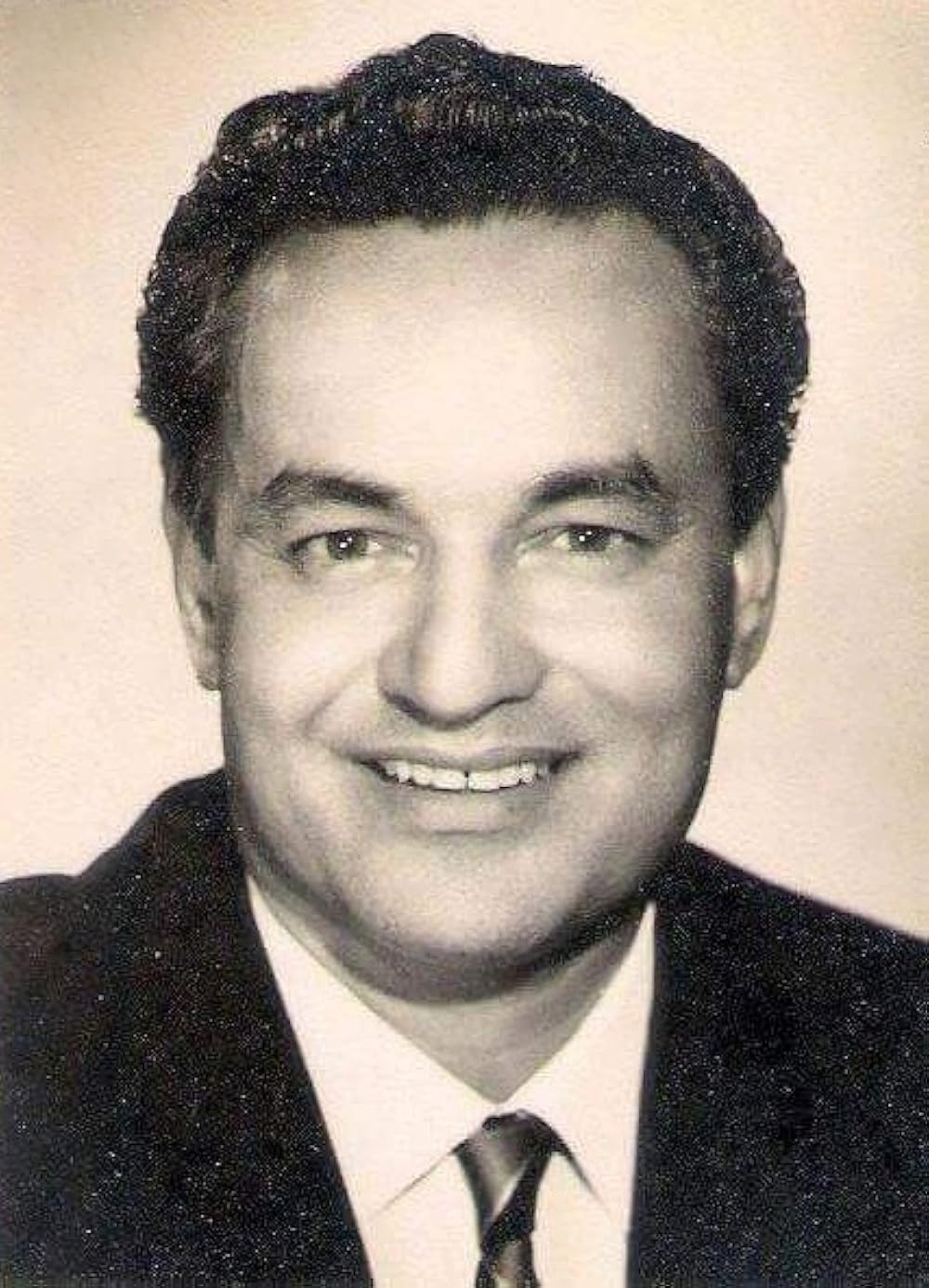
Sadness became his strongest expression. He handled sorrow with dignity. Songs like “Jaane Kahan Gaye Woh Din” and “Kabhi Kabhi Mere Dil Mein” moved generations. These songs expressed nostalgia and reflection. Mukesh carried emotion without melodrama.He also sang joyful and philosophical songs. “Jeena Yahan Marna Yahan” reflected life’s journey. The song balanced hope and acceptance. Mukesh delivered wisdom through melody. His voice guided listeners toward reflection.
Awards recognized his contribution. He won the National Film Award for Best Male Playback Singer. Industry peers respected his discipline. Younger singers learned from his restraint. His work became part of musical education.
Mukesh maintained humility despite fame. He treated colleagues with respect. Personal simplicity defined his lifestyle. Fame never changed his behavior. That humility reflected in his singing as well. Authenticity remained his strength.
Tragedy struck when Mukesh passed away in 1976 during a concert tour in the United States. The music world mourned deeply. Fans lost a comforting voice. The industry lost a sincere artist. His songs, however, continued to live.
Decades later, Mukesh’s voice still fills radio waves. New generations discover his music through films and digital platforms. Singers pay tribute through covers. Filmmakers reuse his songs to evoke emotion. His relevance remains strong.
Cultural impact extends beyond cinema. Mukesh’s songs appear in social gatherings and memories. His voice accompanies moments of reflection. People turn to his music during quiet times. Emotional honesty gives his songs timeless value.
Indian cinema remembers Mukesh as the voice of the soul. He did not rely on vocal gymnastics. He relied on feeling. That choice made history. His contribution shaped the emotional language of film music.
Mukesh proved that simplicity can create greatness. He showed that sincerity can defeat complexity. His songs continue to heal hearts. His legacy continues through melody and memory. https://www.amazon.com/shop/mayankshekharnanhejee