
Shashi Kapoor- life of a romantic hero
Shashi Kapoor was born into a family where theatre and cinema lived side by side. His father, Prithviraj Kapoor, shaped modern Indian theatre, and this environment influenced Shashi from a young age. He acted as a child artist in films like Aag and Awaara, where he learned discipline and patience early. Those early roles taught him how cameras work and how emotions travel on screen. He also absorbed stage skills at Prithvi Theatre, which built his confidence. Training on stage strengthened his voice and posture. That background helped him move smoothly into adult roles.
Shashi Kapoor: Entry into Cinema
He entered Hindi cinema as a leading man in the late 1950s. His debut as a hero came with Dharmputra in 1961, a film that showed his seriousness. Audiences noticed his expressive eyes and gentle intensity. Directors trusted his ability to carry complex emotions. He balanced sensitivity with strength in many scenes. His style differed from loud heroism, and viewers welcomed that change. Soon, offers arrived from top banners. He chose varied roles, which kept his career fresh.
Shashi Kapoor worked hard to refine his craft. He rehearsed scenes carefully and respected scripts. He listened to directors and co-actors. That openness improved his performances. He also learned from failures and moved forward. His early years shaped a thoughtful actor who valued teamwork. This foundation prepared him for a long and diverse career.
Stardom, Range, and Global Appeal
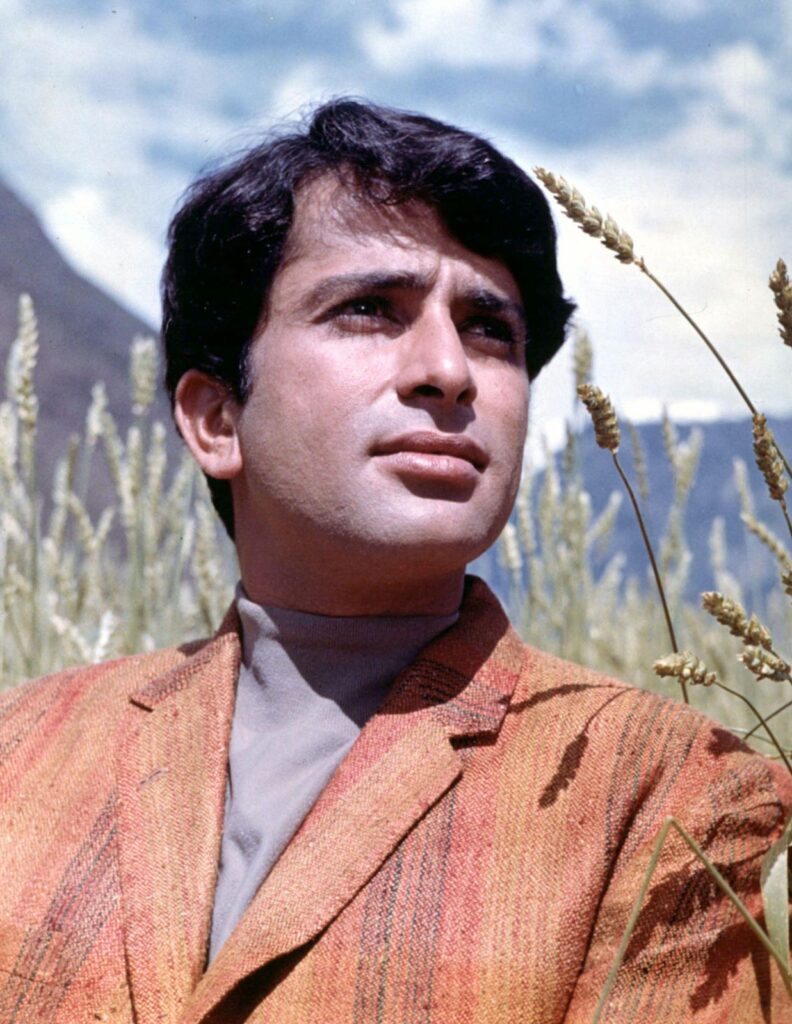
The 1970s marked Shashi Kapoor’s rise as a major star. Films like Deewar, Trishul, and Kabhi Kabhie placed him among the era’s best. He often played the romantic lead, yet he added layers to familiar roles. His smile conveyed warmth, while his silence carried depth. He matched strong co-stars without losing presence. Audiences felt close to him, which increased his popularity.
He showed range across genres. In Deewar, he portrayed a principled officer with quiet resolve. In Kabhi Kabhie, he expressed poetic romance with grace. In lighter films, he used charm and timing. He adapted to stories that required action, drama, or introspection. That versatility sustained his success. He avoided repetition by choosing different tones. https://mayanknanhejee.in/wp-content/uploads/2025/08/ShashiKapoor-smile.jpg
Shashi Kapoor also built an international profile. He worked in British and international films, including The Householder and Heat and Dust. These projects expanded his reach and challenged his skills. He acted in English with ease and dignity. Western filmmakers admired his natural screen presence. His global work connected Indian cinema to wider audiences. That bridge mattered during a time of limited cross-cultural exchange.
Music and costumes enhanced his screen image, but performance stayed central. He respected lyricists and composers. He understood how songs advance stories. His body language remained relaxed and honest. Viewers trusted his emotions because they felt real. That authenticity defined his stardom. He remained approachable despite fame. https://www.amazon.com/shop/mayankshekharnanhejee
Producer, Patron of Theatre, and Enduring Impact
Beyond acting, Shashi Kapoor became a committed producer. He founded Film-Valas, a company that supported meaningful cinema. Films like Junoon, 36 Chowringhee Lane, and Kalyug reflected social concerns and artistic courage. These projects nurtured new talent and serious themes. He invested time and resources without chasing easy profits. His choices showed belief in art over commerce.
His love for theatre remained strong. He helped sustain Prithvi Theatre, which became a hub for performers. That space encouraged experimentation and dialogue. Young artists found guidance and opportunity there. His support kept theatre alive in changing times. He honored his father’s legacy while building his own.
Personal life shaped his journey too. His marriage to Jennifer Kendal connected Indian and British theatre traditions. Their partnership enriched cultural exchange. After her passing, he continued to honor shared dreams through work. He faced health challenges later in life with dignity. Even then, his influence stayed visible.
Awards recognized his contributions. He received national honors and international appreciation. The Dadasaheb Phalke Award acknowledged his lifetime achievement. These accolades reflected respect from peers and audiences. Yet his true reward remained the love of viewers.
Shashi Kapoor’s legacy rests on balance. He balanced romance with realism, fame with humility, and art with responsibility. His films continue to find new audiences. His performances still feel fresh because they rely on emotion, not gimmicks. He showed that kindness can be powerful on screen. He proved that collaboration strengthens cinema.
Today, his work stands as a guide for actors and producers. He reminds artists to choose integrity. He teaches that success grows from curiosity and care. Shashi Kapoor remains a symbol of grace in Indian cinema. His charm endures, and his craft inspires.