
Devika Rani- Life of the First Lady of Indian cinema
Devika Rani stands as one of the most respected pioneers of Indian cinema. She shaped the early language of films with grace and discipline. Audiences admired her elegance on screen. Critics praised her control over emotion. She brought dignity to acting at a time when cinema still searched for social acceptance. Her life reflected courage, creativity, and leadership. She carried Indian films to a new cultural height. Her journey inspired artists across generations.
Devika Rani was born in 1908 into an educated Bengali family. Her family valued learning and culture. Her parents encouraged art and discipline. She traveled to England for higher studies. She learned fine arts, architecture, and textile design there. She trained in drama and music with focus and care. European teachers shaped her artistic vision. She absorbed global ideas with curiosity.
Devika Rani: Early Life and Artistic Foundation
She later joined UFA Studios in Germany. The studio trained her in acting and filmmaking. She studied makeup, costume, and lighting. She observed camera work with attention. This exposure built her confidence. She understood cinema as a complete art. She did not treat acting as a casual task.Devika Rani met Himanshu Rai during her training period. Rai guided Indian cinema with ambition. The two shared a creative bond. They married and planned films together. Their partnership joined talent with vision. They returned to India with a dream. They wanted to build quality cinema rooted in Indian stories.
They founded Bombay Talkies in 1934. The studio aimed to produce refined films. It introduced professional systems in filmmaking. Devika Rani handled acting and studio management. She trained young artists with care. She insisted on discipline and punctuality. The studio soon gained respect across India.Her early films gained wide attention. Karma created history with its bold theme. The film showed emotional depth with sensitivity. Devika Rani performed complex scenes with control. Her expression carried the story forward. Viewers noticed her natural style. She avoided exaggeration and noise.
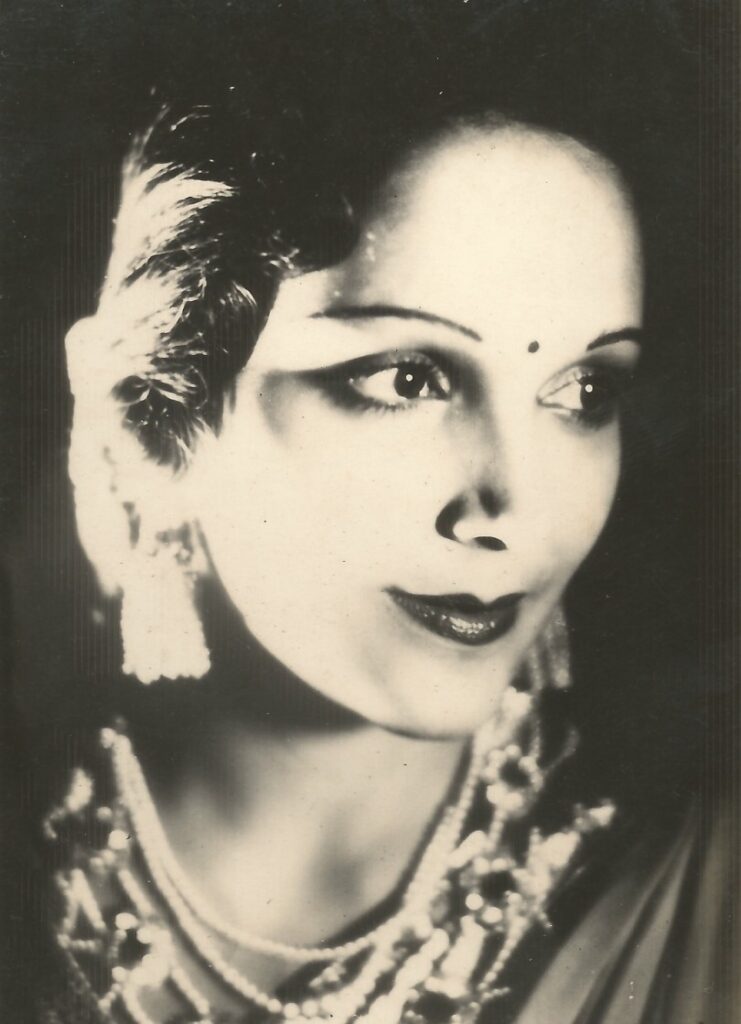
She spoke English fluently. She learned Hindi and Urdu for films. She respected language as a cultural tool. Her voice carried clarity and warmth. This effort helped her connect with Indian audiences. She balanced Western training with Indian tradition.
Stardom, Performances, and Leadership
Devika Rani became the leading actress of the 1930s. She starred in films like Achhut Kanya, Jeevan Naiya, and Nirmala. Each role showed emotional strength. She portrayed women with dignity and courage. Her characters faced social barriers. She used subtle gestures to express pain and hope.In Achhut Kanya, she played a woman affected by caste rules. The film challenged social prejudice. Her performance created empathy among viewers. She delivered scenes with restraint. The story reached villages and cities alike. The film became a landmark.
She worked with actors like Ashok Kumar. She helped shape his early career. She supported new talent with patience. Her leadership style mixed firmness with care. She treated cinema as teamwork. Many artists respected her guidance.After Himanshu Rai’s death, Devika Rani took charge of Bombay Talkies. This step was rare for a woman then. She managed finances and production. She solved conflicts within the studio. She made strong decisions during crisis. Her authority earned trust.
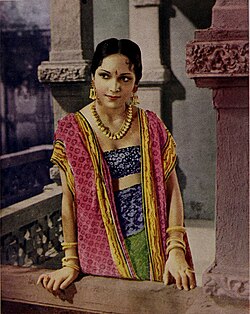
She maintained quality during difficult years. She selected scripts with social value. She ensured technical excellence in films. She balanced creativity with business sense. The studio survived under her control.Her acting style remained modern and graceful. She avoided melodrama. She focused on inner emotion. This approach influenced future actresses. Many later stars followed her path. She showed that intelligence could guide performance.
She received the title “First Lady of Indian Cinema.” The industry acknowledged her role. Film historians credit her with professionalism. She set standards for costume and behavior. She respected cinema as a cultural force.Despite fame, she maintained privacy. She valued self-respect over publicity. She chose dignity instead of noise. This choice added to her mystique. Fans admired her calm presence.
Later Life, Honors, and Lasting Influence
Devika Rani retired from acting in the 1940s. She stepped away at her peak. She believed in timely closure. She later married Svetoslav Roerich, a Russian painter. The couple settled in Bengaluru. They lived a quiet artistic life.She devoted time to painting and cultural work. She supported Indian art with interest. She avoided the limelight. She focused on inner growth. This phase reflected her balanced nature.
India honored her contributions with respect. She received the Padma Shri in 1958. The government recognized her cultural impact. In 1969, she received the Dadasaheb Phalke Award. This award marked lifetime achievement. She became the first woman to receive it.Her legacy remains strong today. Film schools study her work. Scholars discuss her leadership. Artists admire her courage. She opened doors for women in cinema. She proved that talent and discipline could lead success.
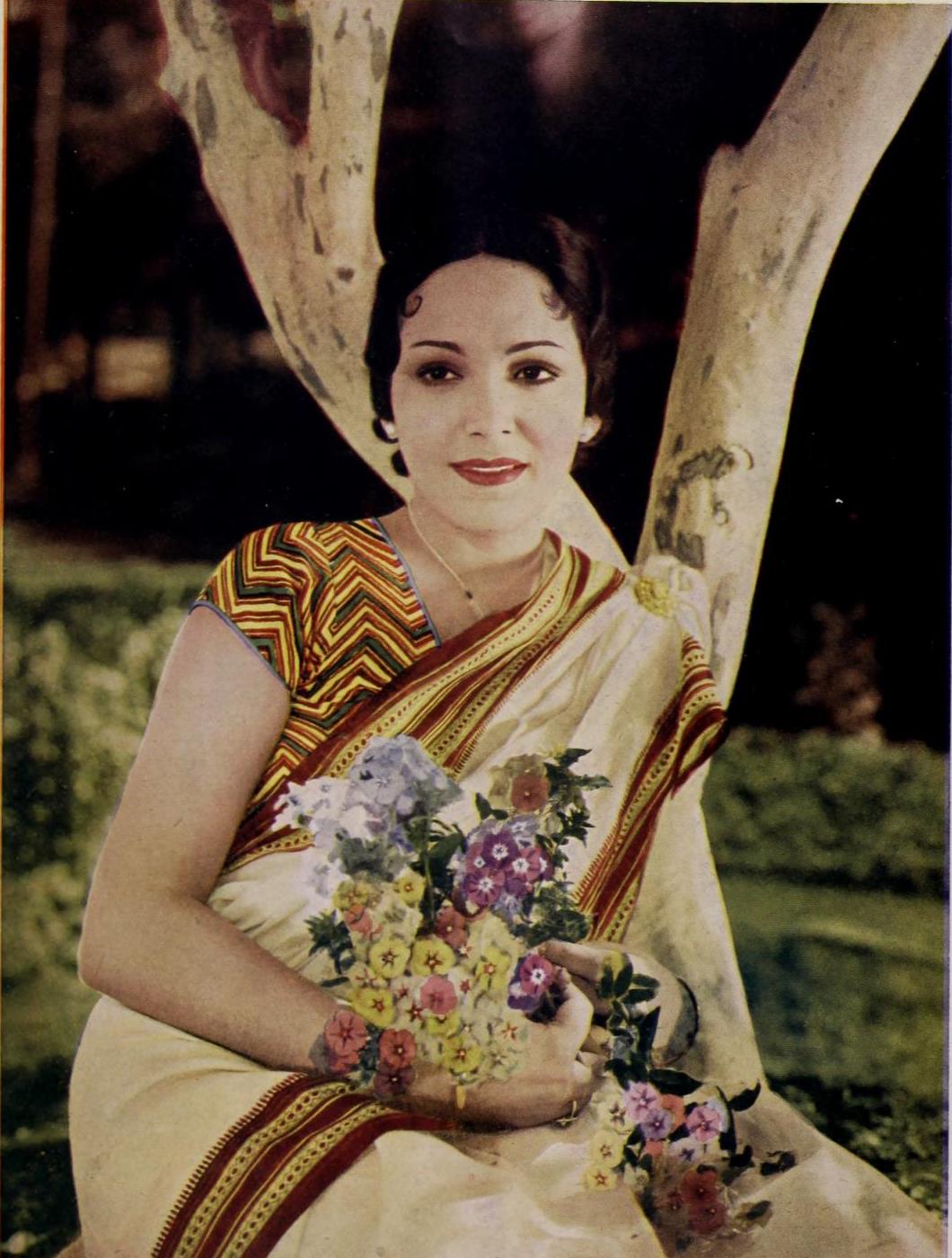
Devika Rani changed how society viewed actresses. She gave respect to the profession. She linked cinema with culture and education. Her example still guides new performers.Her films continue to attract interest. Restored prints appear in festivals. Young viewers discover her style. Her expressions still feel fresh. Time has not reduced her impact.
She passed away in 1994, leaving a rich legacy. Indian cinema remembers her as a pioneer. Her life shows strength and vision. Her journey teaches balance between art and responsibility.Devika Rani did not just act in films. She built an institution. She shaped an industry. She lived with purpose and grace. Her name remains a pillar of Indian cinematic history. https://www.amazon.com/shop/mayankshekharnanhejee