
Actress Durga Khote the best mother!
Durga Khote stands as a pillar of Indian performing arts. She shaped theatre and cinema with courage and dignity. Born in 1905 into a respected family, she received good education and cultural exposure. Her upbringing encouraged discipline and learning. Marriage came early in her life, as was common in that era. Tragedy struck when her husband passed away at a young age. This loss placed heavy responsibility on her shoulders. She chose self-reliance to support her children and family.During a time when society discouraged women from acting, Durga Khote made a brave decision.
Durga Khote: Early Life and Courageous Entry into Theatre
She entered Marathi theatre to earn a living. Theatre companies welcomed her talent and seriousness. She learned stagecraft through hard practice and observation. Each performance demanded voice control, timing, and emotional clarity. She mastered these skills with dedication. Her stage presence impressed audiences and critics alike. Theatre gave her confidence and strength.Soon, filmmakers noticed her powerful acting. Early Indian cinema needed artists with stage training. Durga Khote brought discipline and expressive depth to films. She entered cinema in the 1930s, when acting still carried social stigma. Her choice inspired many women to consider acting as a profession. She accepted challenging roles without fear. Her performances reflected sincerity rather than glamour. This quality set her apart from others.
Durga Khote treated acting as serious work. She prepared carefully for every role. Scripts received her full attention and respect. Directors trusted her professionalism and insight. She used her voice and expressions to convey complex emotions. Her early journey showed courage, resilience, and purpose. This foundation supported her long and influential career.
Rise in Cinema and Powerful Performances
Durga Khote became one of the most respected actresses in Indian cinema. She worked in both Marathi and Hindi films with equal ease. Early films showcased her strength and versatility. Directors cast her in historical, mythological, and social dramas. She adapted her style to suit different genres. Each character received thoughtful interpretation.Her role in Ayodhyecha Raja marked an important milestone. The film introduced sound to Marathi cinema. Durga Khote delivered dialogue with clarity and grace. Audiences admired her command over language. This performance established her as a leading figure in films. She later acted in classics like Mughal-e-Azam, Bharat Milap, and Awaara. In each film, she added depth to the narrative.
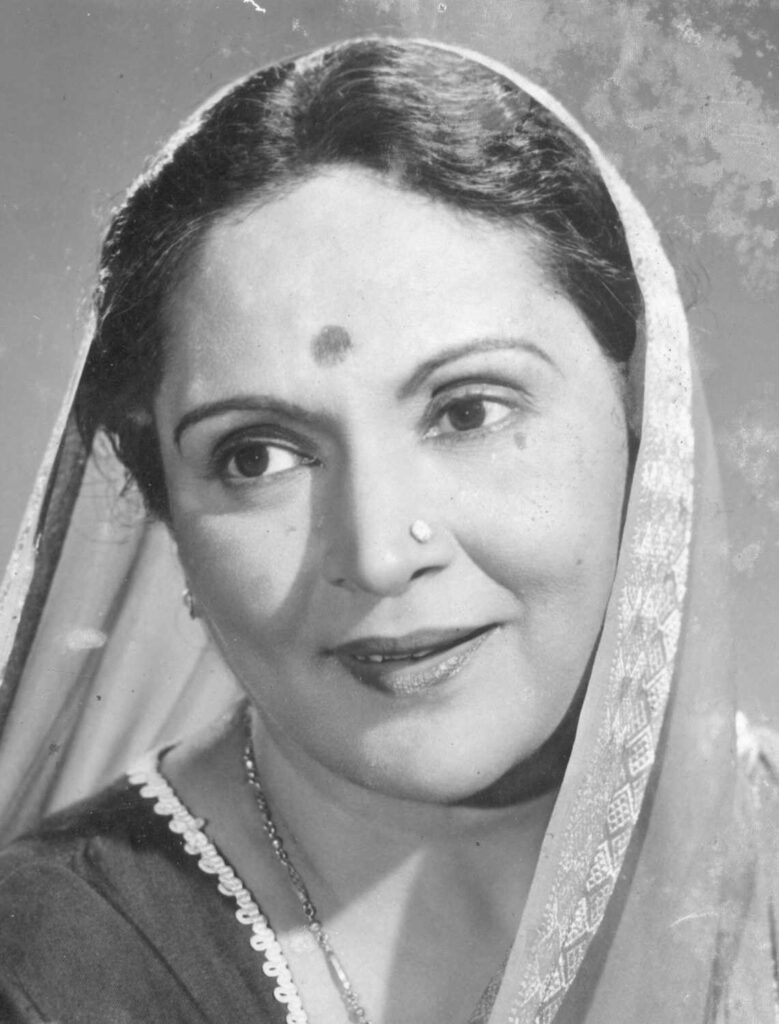
She often portrayed queens, mothers, and strong elder women. These roles required authority and emotional control. Durga Khote brought dignity and warmth to such characters. She avoided excessive drama and focused on truth. Her eyes conveyed emotion more than gestures. This restraint created lasting impact. Filmmakers relied on her to anchor important scenes.Durga Khote also contributed to script understanding. She discussed character motivation with directors. Her suggestions improved emotional flow in scenes. Colleagues respected her experience and intelligence. Younger actors learned discipline by watching her work. She maintained punctuality and professionalism throughout her career. These habits raised standards on film sets.
Unlike many performers, she continued working across decades. Cinema styles changed, yet her relevance remained strong. She accepted age-appropriate roles with pride. Her performances matured with time and experience. Each decade added new layers to her acting. This continuity made her a bridge between early and modern Indian cinema.
Legacy, Honors, and Cultural Impact
Durga Khote left a legacy beyond films and theatre. She became a symbol of strength for women in the arts. Her career proved that talent and discipline overcome social barriers. She opened doors for future generations of actresses. Many women followed her path with greater confidence. Her life story inspired respect across society.She also contributed to cultural institutions. Durga Khote supported theatre groups and artistic initiatives. She believed in nurturing young talent. Her guidance helped maintain quality in performing arts. She valued training and preparation over instant fame. This belief shaped her interactions with students and colleagues. https://mayanknanhejee.in/wp-content/uploads/2026/01/250px-Durga_Khote_1938.jpg
In her personal life, she valued integrity and independence. She balanced family responsibilities with professional commitment. Her choices reflected courage and self-respect. Even in old age, she carried dignity and grace. She passed away in 1991, leaving a rich artistic legacy.Durga Khote remains an enduring figure in Indian culture. Films and theatre continue to remember her contribution. Her journey reflects courage, discipline, and artistic honesty. Through transgenerational influence, she shaped the path of Indian actresses. Her life reminds society that art thrives through conviction and dedication.
The Indian government recognized her contribution with prestigious honors. She received the Padma Bhushan for her service to arts. The Dadasaheb Phalke Award later honored her lifetime achievement. These awards acknowledged her pioneering role and excellence. Yet she remained humble despite recognition. She spoke with simplicity and clarity in public appearances.Durga Khote also documented her experiences through writing. Her autobiography offered insight into early cinema and theatre. Readers learned about struggles and discipline from her words. The book preserved valuable cultural history. Scholars and artists continue to reference her experiences. Her voice remains relevant through these writings.