
Actor Dev Anand Story Video
Dev Anand remains one of the most loved and respected actors in Indian cinema. He brought charm, intelligence, and style to the screen at a time when Hindi films were shaping a national identity. He acted with ease, and he spoke his lines with warmth. Audiences trusted his presence, and they followed his journey for decades. His career covered romance, drama, suspense, and social themes. He also worked as a director and producer, which gave him creative control. Through consistent effort, he built a legacy that still inspires actors and viewers today.
Dev Anand: Early Life and Rise to Stardom
Dev Anand was born as Dharamdev Anand in 1923 in Gurdaspur, Punjab. He grew up in a disciplined family, and he valued education. He studied English literature, and he developed a love for reading and writing. This background shaped his clear speech and confident dialogue delivery. After college, he moved to Bombay with ambition and hope. He joined the film industry with patience, and he accepted small roles at first.
His early films showed promise, and producers noticed his screen presence. He acted with natural expressions, and he avoided heavy melodrama. His breakthrough came with Ziddi in 1948. The film achieved success, and it established him as a romantic hero. Audiences admired his smile, and they remembered his voice. He looked modern, and he carried himself with grace. His style appealed to young viewers, and his sincerity touched older audiences.
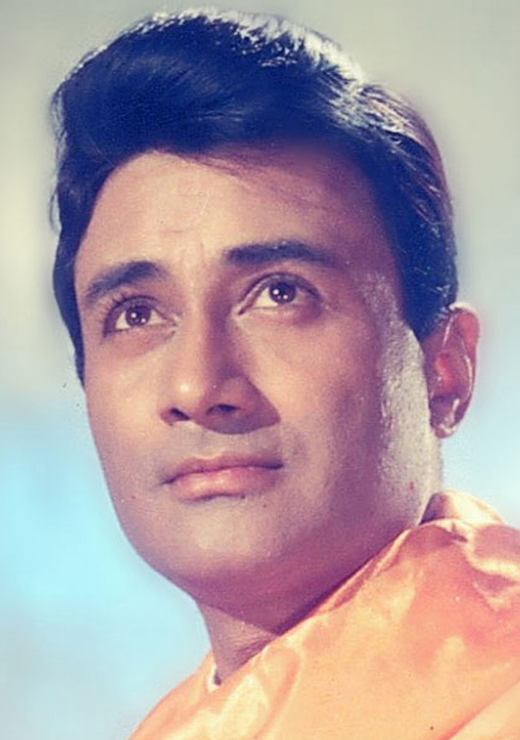
Dev Anand formed Navketan Films with his elder brother Chetan Anand. This decision proved important for his career. The production house allowed creative freedom, and it encouraged new ideas. Under Navketan, Dev Anand worked with talented writers and directors. He supported fresh talent, and he trusted experimentation. Films like Baazi introduced a new tone in Hindi cinema. The film used suspense and realism, and it broke away from routine formulas.
Dev Anand also embraced modern fashion during this period. He introduced scarves, jackets, and a casual look. Young people followed his style, and magazines featured his photographs. He influenced trends, and he became a youth icon. His walk, his hairstyle, and his smile became trademarks. He carried stardom lightly, and he remained approachable. https://mayanknanhejee.in/wp-content/uploads/2025/07/Dev_Anand_still2.jpg
The Golden Phase and Creative Growth
The 1960s marked the golden phase of Dev Anand’s career. He reached artistic maturity, and he took bold creative risks. He worked closely with director Vijay Anand, his younger brother. Their collaboration produced classics that changed Hindi cinema. Films like Guide, Jewel Thief, and Teesri Manzil remain influential even today.
Guide stands as one of his finest performances. In the film, Dev Anand played Raju, a flawed and complex character. He portrayed ambition, love, failure, and redemption with honesty. The role demanded emotional control, and he delivered it with balance. Critics praised his performance, and audiences appreciated the depth. The film also addressed themes of freedom and self-realization. Through this role, Dev Anand proved his acting range and courage.
In Jewel Thief, he presented a stylish and intelligent hero. The film used suspense and music effectively. Dev Anand handled the narrative with charm and confidence. His screen chemistry with Vyjayanthimala added appeal. Songs from the film became popular, and they remain memorable today. His sense of timing and expression enhanced every scene.
As a producer, Dev Anand supported meaningful cinema. He backed stories that explored social issues and personal struggles. Films like Haqeeqat and Tere Mere Sapne reflected sensitivity and realism. He believed cinema should entertain and educate. This belief guided his choices and shaped his work.
Music played a key role in his films. He collaborated with legendary composers and singers. Songs picturized on him carried emotion and grace. His lip-sync appeared natural, and his expressions matched the mood. This quality strengthened the impact of film music. His association with Kishore Kumar created magic on screen.
Later Years, Ideals, and Lasting Legacy
In later years, Dev Anand continued to work with dedication. He aged gracefully, and he accepted changing times. He played mature roles, and he directed films with new actors. Although commercial success became limited, his passion remained strong. He believed in continuous work, and he rejected retirement. Cinema remained his purpose and joy.
Dev Anand also expressed strong views on social and political issues. He valued democracy, and he supported freedom of expression. During the Emergency period, he openly opposed censorship. This stance showed courage, and it reflected his principles. He used his influence responsibly, and he encouraged independent thought.
He wrote his autobiography, which revealed honesty and reflection. In the book, he discussed success, relationships, and failures. He spoke about his love for cinema and his respect for colleagues. This openness increased admiration for him as a person. He remained humble, and he acknowledged the role of teamwork in his success.
Dev Anand received many awards and honors. He earned the Padma Bhushan and the Dadasaheb Phalke Award. These recognitions celebrated his contribution to Indian cinema. Yet, his true reward came from audience love. Fans continued to watch his films, and they remembered his dialogues. His voice and smile stayed alive in popular culture.
Even after his passing in 2011, Dev Anand’s influence remains strong. Film students study his work, and actors learn from his style. His films continue to air on television, and they attract new viewers. His approach to acting feels timeless because it values simplicity and truth. He showed that sincerity can create lasting impact.
Dev Anand represented optimism and modern thinking. He believed in dreams, and he followed them with discipline. He treated cinema as art and responsibility. Through his long career, he entertained millions and shaped generations. His legacy stands not only in awards or box office records, but in the hearts of viewers. Dev Anand remains evergreen because his spirit still shines on screen.