Ultimate Video Captures Lata Mangeshkar’s Timeless Voice
Celebrated playback singer Lata Mangeshkar stands among the most renowned figures in Indian cinema.
Additionally, her voice became closely associated with Hindi films for several decades.
She was born on 28 September 1929 in Indore, Madhya Pradesh, into a musical family.
Her father, Pandit Deenanath Mangeshkar, was a respected classical vocalist and theater artist.
Under his guidance, Lata developed a strong foundation in music at an early age.
Lata Mangeshkar began her professional career as a Singer during the 1940s.
Her early years were challenging.
Her dedication and distinctive voice gradually brought recognition.
The song “Aayega Aanewala” from Mahal (1949), composed by Khemchand Prakash, became a turning point.
Moreover, this milestone propelled her career in Hindi cinema.
Soon, she became one of the leading playback singers in Hindi cinema.
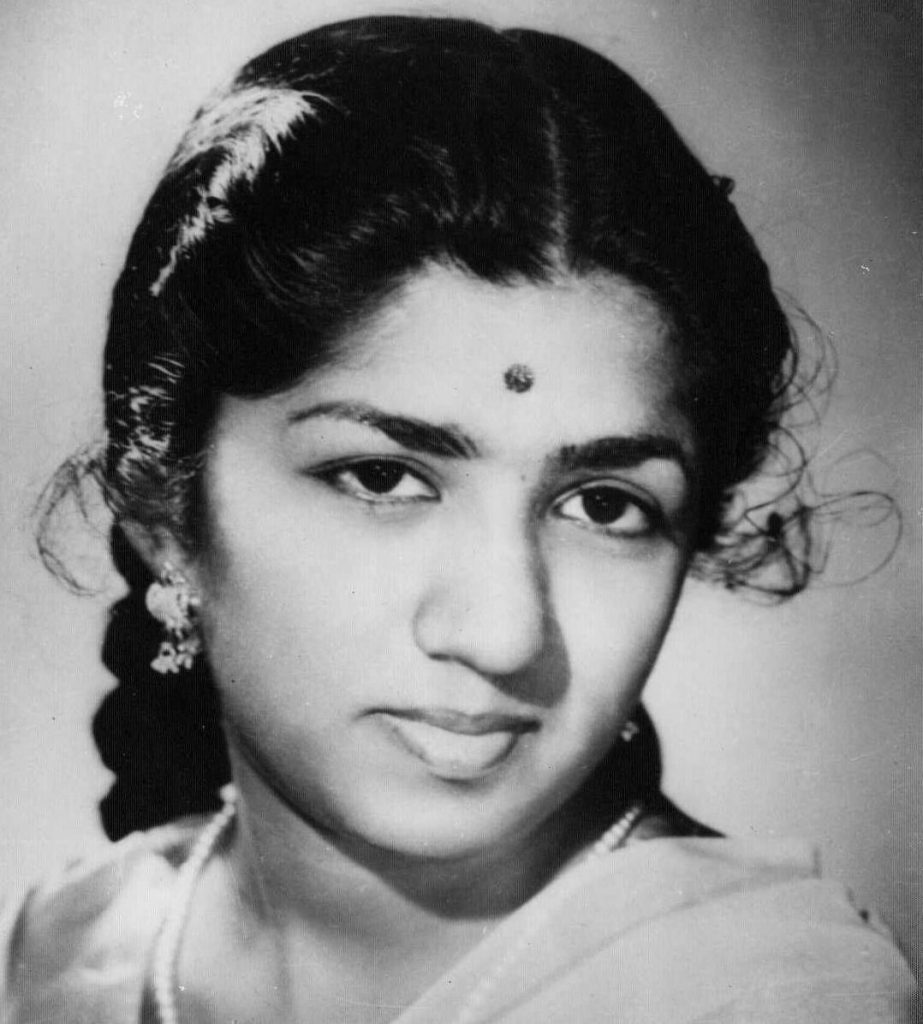
In the following decades, Lata worked with India’s greatest music composers. They included Naushad, S. D. Burman, Shankar-Jaikishan, Madan Mohan, R. D. Burman and Laxmikant-Pyarelal. She sang thousands of songs in many Indian languages. As a Singer, her voice could express romance, devotion, happiness, sorrow and patriotism with remarkable emotional depth.
Some of her memorable songs became classics of Indian cinema. Moreover, her collaborations with legendary actresses have created a lasting connection between her voice and the leading women on screen. She received numerous honors during her career, including the Bharat Ratna, India’s highest civilian award, in 2001.
Lata Mangeshkar remained devoted to music throughout her life. Her disciplined singing, clear pronunciation and emotional expression influenced generations of singers. Moreover, she passed away on 6 February 2022 in Mumbai at the age of 92.
Lata Mangeshkar’s contribution to Indian music remains extraordinary. Additionally, her voice continues to live through recordings that are loved by audiences across generations. For millions of listeners, she was not simply a playback singer but a defining voice of Indian cinema.
Lata Mangeshkar, a Singer, remains one of the most respected voices in Indian music. Moreover, she shaped the sound of Hindi cinema for generations. Born in 1929 in Indore, she grew up in a family devoted to classical music. Her father, Deenanath Mangeshkar, worked as a classical singer and theater artist. He trained Lata in music from an early age. Daily practice built discipline and respect for tradition. Music filled her home and guided her childhood.
Tragedy entered her life when her father passed away early. This loss placed responsibility on young Lata’s shoulders. She decided to support her family through singing and acting. Financial pressure strengthened her determination rather than weakening her spirit. She moved to Mumbai with hope and courage. The city offered opportunities but demanded resilience. Early years brought struggle, rejection, and hard lessons.
Lata Mangeshkar: Early Life and Musical Training
Lata worked in small film roles and chorus singing initially. These experiences taught her studio discipline and patience. She observed senior musicians and absorbed technical knowledge. Her voice differed from prevailing styles of the time. Many composers doubted its suitability at first. Lata responded with practice and persistence. She refined pitch control and pronunciation carefully. Her dedication gradually earned trust.
A major turning point came when composers recognized her clarity and emotional control. Songs recorded in the late 1940s gained attention. Audiences noticed her sweetness and purity. Her voice carried emotion without strain. This early success opened doors to consistent work. Lata Mangeshkar’s foundation rested on discipline, humility, and unwavering focus. These qualities shaped her extraordinary journey.
Rise to Fame and
Lata Mangeshkar rose to unmatched prominence during the 1950s and 1960s. She became the preferred voice for leading actresses. Her singing enhanced storytelling and emotional depth. Composers trusted her range and reliability. She recorded songs across genres with ease. Romantic melodies, devotional hymns, and patriotic anthems suited her voice equally well.
Her collaborations with legendary composers defined eras of music. She worked extensively with Naushad, S.D. Burman, Shankar–Jaikishan, and Madan Mohan. Each partnership produced timeless songs. Lata understood musical mood and lyrical meaning deeply. She sang with precision and emotional balance. Her diction respected language and poetry. This attention elevated song quality.
Lata Mangeshkar adapted her voice to suit different actresses. She created distinct vocal identities without imitation. This skill required sensitivity and control. Audiences associated her voice with stars like Madhubala, Nargis, and Meena Kumari. Her singing added grace and credibility to on-screen performances. Songs became central to film narratives due to her contribution.
Dominance in playback singing
She also expanded into regional languages. Marathi, Bengali, Tamil, and other languages benefited from her voice. This versatility broadened her cultural reach. She respected linguistic nuances and pronunciation. Each song received equal care regardless of language or fame. This approach earned nationwide admiration.
During peak years, Lata recorded thousands of songs. Studio schedules demanded long hours and consistency. She maintained vocal health through discipline and restraint. She avoided strain and followed strict routines. Her professionalism set high industry standards. Younger singers learned by observing her work ethic.
Despite success, she faced competition and criticism. Changing musical styles tested adaptability. Lata adjusted her singing to modern arrangements without losing identity. She collaborated with new composers and welcomed innovation. This flexibility extended her relevance across decades. Her dominance did not rely on repetition but on evolution. This balance ensured longevity unmatched in playback singing.
Later Years, Honors, and Enduring Legacy
As time progressed, Lata Mangeshkar reduced recording frequency. She chose songs selectively and carefully. Her later performances reflected maturity and depth. Patriotic and devotional songs became more prominent. These recordings carried emotional resonance and dignity. Audiences listened with reverence and affection.Recognition followed her immense contribution. She received national and international honors. The Bharat Ratna acknowledged her service to Indian music. Numerous awards celebrated her lifetime achievement. Yet she remained humble despite acclaim. Public appearances reflected simplicity and grace. She spoke thoughtfully about music and responsibility.
https://mayanknanhejee.in/wp-content/uploads/2025/09/latamangeshkar01-sm-thumb1695716897.jpg
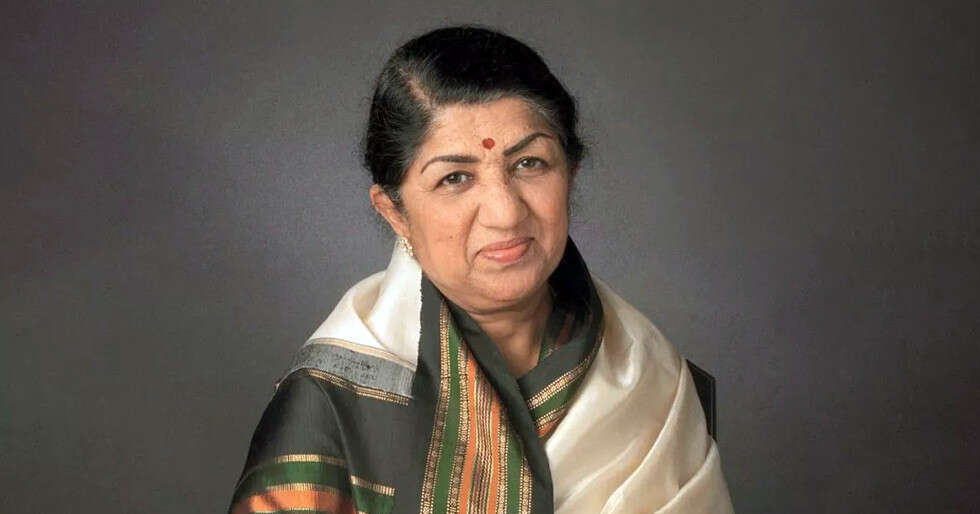
Lata also supported social and cultural causes quietly. She believed music served society beyond entertainment. She encouraged young talent through advice and example. Her interviews emphasized discipline and respect for art. She avoided controversy and focused on craft. This approach preserved her dignity and authority.
Her personal life remained private and focused. Music occupied her primary attention. Family bonds provided emotional support. She valued routine and reflection. Even in old age, she followed musical developments with interest. Her curiosity remained alive.Lata Mangeshkar passed away in 2022, leaving a profound void. The nation mourned her loss collectively. Tributes poured in from artists, leaders, and fans worldwide. Songs played across homes and public spaces. Her voice united generations in remembrance.
Her legacy transcends numbers and records. She shaped how emotions sound in Indian cinema. Her singing defined love, sorrow, devotion, and hope. New listeners continue to discover her work through digital platforms. Musicians study her recordings for technique and expression.
Lata Mangeshkar remains eternal through her music. Her journey reflects perseverance, excellence, and humility. She transformed playback singing into a respected art form. Indian culture continues to echo with her voice. Through timeless melodies, she lives on in collective memory. https://www.amazon.com/shop/mayankshekharnanhejee