
Story of actress Madhubala through video
Madhubala was born as Mumtaz Jehan Begum in Delhi in 1933. Her family faced financial struggles during her childhood. Her father moved the family to Bombay in search of work and stability.
Madhubala: Entry into cinema
Cinema entered her life at a very young age. She appeared in films as a child artist and gained early exposure to studio life. The camera loved her expressive eyes and natural grace.Her early years shaped her discipline and work ethic. Studio schedules demanded long hours and emotional strength. She learned quickly and adapted well to professional demands. Her performances began to show confidence and charm. Directors noticed her screen presence and versatility.
The film Badal marked an important turning point in her career. The movie gave her the screen name Madhubala, which means “sweet girl.” Audiences responded warmly to her beauty and innocence. Her smile became her signature feature. The industry soon began to call her “The Venus of Indian Cinema.”
She worked across genres with ease. Romantic roles brought her popularity. Dramatic roles showed her emotional depth. Historical films highlighted her elegance. Each performance added to her growing reputation. Producers trusted her box-office appeal. Filmmakers valued her professionalism.
Hollywood also noticed her talent and beauty. A major American magazine featured her as a rising international star. This recognition was rare for an Indian actress at that time. Despite global attention, she remained focused on Hindi cinema. Her dedication to Indian films strengthened her legacy.
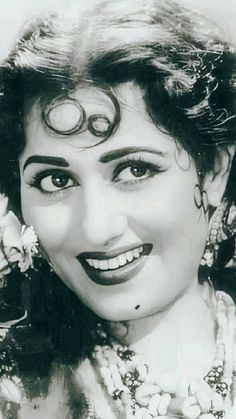
Madhubala balanced fame with humility. She avoided publicity controversies. Her personality stayed gentle and respectful. Co-actors remembered her kindness on set. Her early rise showed how talent and perseverance could overcome hardship.
Golden Era of Performances and Timeless Films
Madhubala entered her golden phase during the 1950s. Her films from this period remain classics today. She delivered performances that blended emotion with elegance. Audiences connected deeply with her characters. Her acting felt natural and sincere.
The film Mughal-e-Azam became the defining work of her career. She played Anarkali with grace and emotional power. The role demanded intense expression and dramatic strength. She portrayed love, rebellion, and sacrifice with conviction. Her performance left a lasting impact on Indian cinema.
Songs picturized on Madhubala enhanced her popularity. Her expressions conveyed joy, pain, and longing. Music directors and lyricists benefited from her screen presence. The audience remembered her songs as visual poetry. Her chemistry with co-stars felt effortless.
Films like Chalti Ka Naam Gaadi showed her comic timing. She proved that beauty could coexist with humor. Lighthearted roles revealed her playful side. Viewers appreciated her versatility and warmth. Each role added a new dimension to her image.
She worked with leading actors and respected directors. Professional relationships strengthened her career choices. Her dedication to rehearsal improved performance quality. She took feedback seriously and applied it effectively. Her growth as an artist remained consistent.
https://mayanknanhejee.in/wp-content/uploads/2025/07/8db5ecee8d79a1190952b05a56a0c46c.jpg
Madhubala faced physical challenges during her peak years. A serious heart condition affected her health. Despite medical advice, she continued working. Her commitment reflected her love for cinema. Long shoots often caused exhaustion, yet she rarely complained.
Her discipline inspired colleagues and crew members. She arrived on time and prepared thoroughly. Directors trusted her reliability. Her work ethic elevated production standards. Cinema benefited from her professionalism.
The golden era of Madhubala created timeless memories. Her films continue to attract new audiences. Television reruns and digital platforms keep her work alive. Her performances still feel fresh and relatable. This phase defined her as an enduring icon.
Personal Struggles, Legacy, and Eternal Influence
Behind her glowing smile, Madhubala lived a life filled with emotional challenges. Her health issues caused constant physical strain. Medical limitations restricted her lifestyle. Despite this, she maintained dignity and grace. Her strength remained largely unseen by the public.
Her personal relationships often attracted public attention. Emotional experiences shaped her inner world. She valued privacy and family support. Marriage brought both hope and responsibility. She tried to balance personal life with professional commitments.
Health complications eventually forced her to reduce work. Doctors advised rest and careful monitoring. Long periods of treatment followed. Public appearances became rare. Fans missed her presence on screen.
Madhubala passed away at the young age of 36. Her death shocked the nation. Cinema lost one of its brightest stars. The industry mourned deeply. Tributes poured in from colleagues and admirers.
Her legacy, however, did not fade. Film historians continue to study her performances. New generations discover her through classic films. Her beauty remains a standard of timeless elegance. Her acting represents sincerity and emotional truth.
Photographs of Madhubala still circulate widely. Her smile continues to captivate viewers. Artists and designers draw inspiration from her style. Filmmakers reference her work as a benchmark. Her influence extends beyond cinema into popular culture.
Awards and retrospectives honor her contribution. Books and documentaries preserve her story. Her name appears in discussions about legendary actresses. She represents an era of grace and emotional cinema. Her impact transcends time.
Madhubala’s journey reflects both brilliance and fragility. She gave joy to millions through her art. Her life teaches resilience and dedication. Cinema remembers her as a symbol of beauty with substance. Her memory lives on through every frame she graced. https://www.amazon.com/shop/mayankshekharnanhejee