
Actress Meena Kumari story video
Meena Kumari was born as Mahjabeen Bano on 1 August 1933 in Bombay. She entered the film world at a very young age. Her father worked as a theatre artist and guided her early career. Her mother supported the household through traditional singing. The family faced financial struggles from the beginning. Cinema became both her opportunity and responsibility.
Get Coffee Mug! Click on Image

Meena Kumari: Early Life and Rise of a Child Prodigy
She started acting as a child artist under the name Baby Meena. Film studios noticed her expressive eyes and natural talent. Directors trusted her ability to convey emotion without effort. She worked long hours even as a child. Discipline became part of her daily life. Childhood passed quickly under studio lights.
As she grew older, Meena Kumari transitioned smoothly into adult roles. This shift often challenges many actors. She handled it with patience and skill. Her performances showed maturity beyond her age. She understood human pain and emotional conflict. These qualities made her stand out.
This smart TV is great for streaming your favorite shows. It has amazing picture quality and smart features!
The 1950s brought major changes in her career. Films like Baiju Bawra gave her wide recognition. The audience connected deeply with her sorrowful expressions. Her voice, posture, and silence carried meaning. She did not rely on loud dialogue. Emotion flowed naturally through her presence.
Meena Kumari gained the title “Tragedy Queen” during this phase. The title reflected her screen image rather than her personal choice. She portrayed women facing injustice, sacrifice, and emotional loss. Viewers saw their own struggles in her characters. This connection built lasting admiration.
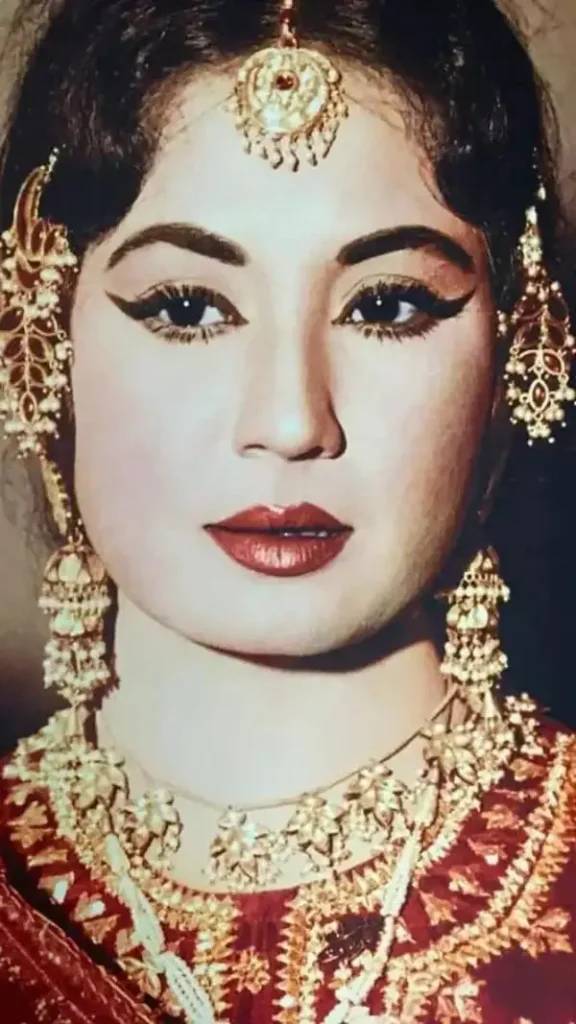
Pakeezah remains one of her most iconic films. The project faced delays and personal challenges. She completed the film despite health issues. Her grace and sorrow defined the character. Songs, expressions, and movements blended perfectly. The film later gained cult status.
Despite success, her personal life remained difficult. Fame did not bring peace. Professional commitment continued without pause. She accepted demanding roles with dedication. Cinema became her primary world. The industry shaped her identity from childhood onward.
The Golden Era and Unmatched Performances
The 1960s marked the golden period of Meena Kumari’s career. She delivered some of Indian cinema’s most memorable performances. Directors relied on her emotional depth. Writers created roles specifically for her abilities. Each performance felt personal and real.
Saheb Biwi Aur Ghulam became a defining film. She played a lonely wife seeking love and attention. Her portrayal felt deeply human. Silence spoke louder than words in many scenes. The role earned her critical praise and awards. It strengthened her image as a serious actor.
In Kaajal, Dil Ek Mandir, and Phool Aur Patthar, she showed range and restraint. She balanced strength with vulnerability. Directors valued her professionalism on set. She respected scripts and co-actors. Her focus never wavered during shooting.
https://mayanknanhejee.in/wp-content/uploads/2025/07/meena_kumari.jpg
Meena Kumari also worked with leading actors of her time. Her chemistry with Dilip Kumar, Raaj Kumar, and Ashok Kumar stood out. She adjusted her performance to suit each co-star. Scenes felt balanced and natural. Collaboration enhanced the storytelling.
Awards recognized her excellence consistently. She won multiple Filmfare Awards for Best Actress. These honors reflected industry respect. Critics praised her command over emotion. Audiences trusted her performances. Her name alone added depth to a film.
Beyond acting, Meena Kumari was also a poet. She wrote Urdu poetry under the pen name “Naaz.” Her poems reflected loneliness and longing. Writing gave her emotional release. Words allowed expression beyond cinema. This artistic side added depth to her personality.
Her commitment to craft remained strong even during illness. She arrived on set prepared and focused. Pain never reduced her professionalism. Colleagues admired her dedication. Work continued until her health no longer allowed it.
Personal Struggles, Legacy, and Lasting Influence
Meena Kumari’s personal life reflected deep emotional struggles. Her marriage to filmmaker Kamal Amrohi faced difficulties. Creative differences and personal conflicts created distance. Loneliness became a recurring theme in her life. Emotional pain affected her health over time.
Alcohol dependency developed during her later years. This struggle worsened her medical condition. Liver-related illness weakened her body. Doctors advised rest, but work continued. Responsibility toward films outweighed personal care.
Despite declining health, she completed important projects. Pakeezah released shortly before her death. Audiences responded with admiration and respect. The film’s success came after years of hardship. Her performance became a lasting tribute.
Meena Kumari passed away on 31 March 1972 at the age of 38. The nation mourned her loss deeply. The industry lost a powerful performer. Fans felt personal grief. Her death marked the end of an era.
Her legacy continues through her films. New generations discover her work regularly. Film students study her expressions and timing. Directors reference her performances as benchmarks. Emotional realism defines her style.
She changed the way female characters were portrayed. Women in her films had depth and dignity. Suffering did not reduce their strength. Silence often expressed resistance. Her roles influenced future storytelling.
Meena Kumari remains a symbol of classical Hindi cinema. Her name carries respect and emotion. Posters, books, and documentaries honor her journey. Songs picturized on her still resonate. Her face reflects timeless beauty and sadness.
Her life story also serves as a reminder. Success does not guarantee happiness. Talent requires protection and care. Emotional support matters as much as recognition. Her journey teaches compassion.
Meena Kumari’s contribution to Indian cinema remains unmatched. She gave truth to sorrow and grace to pain. Her performances continue to speak without words. Time has not diminished her impact. She lives on through cinema and memory. https://www.amazon.com/shop/mayankshekharnanhejee