
Actor Ashok Kumar- Life story of ‘Dada Moni’
Ashok Kumar remains one of the most respected names in Indian cinema. He worked across eras and changed with time. He acted with ease and purpose. His style felt natural and calm. He helped shape the language of screen acting in Hindi films. Audiences trusted his presence. Directors valued his discipline. Co-actors learned from his grace. His journey shows how talent grows with patience.
Get Coffee Mug! Click on Image

Ashok Kumar was born as Kumudlal Ganguly in Bhagalpur, Bihar, in 1911. His family valued education and culture. He studied law at Calcutta University. He also loved films and photography. He moved to Bombay with a simple plan. He wanted to work behind the camera. Bombay Talkies gave him a technical job. Fate soon changed his path.
Ashok Kumar: Early Life and Entry into Cinema
A lead actor fell ill during a shoot. The studio needed a quick replacement. Ashok Kumar stepped in with courage. He acted in the film Jeevan Naiya in 1936. The film succeeded. The audience noticed his quiet strength. His voice sounded gentle. His face looked honest. He did not act loudly. He performed with restraint.
He became a star with Achhut Kanya in 1936. The film addressed social barriers. He played a village boy with sincerity. His chemistry with Devika Rani felt real. The story touched hearts. Songs from the film became popular. Ashok Kumar gained respect for bold choices.He learned quickly on sets. He observed senior artists closely. He refined his timing. He improved his dialogue delivery. He trusted simplicity. This approach set him apart. Many actors followed dramatic styles. Ashok Kumar chose realism. Viewers felt closer to him.
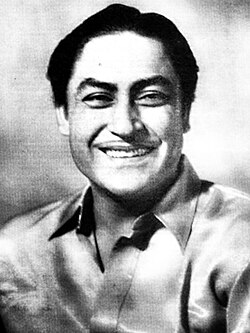
The 1940s brought success and pressure. He handled both with balance. He worked hard and stayed humble. He avoided excess publicity. He focused on craft. His films during this time built a strong base. He became a reliable lead actor. Studios trusted his judgment.
Rise, Reinvention, and Artistic Growth
Ashok Kumar reached peak fame in the 1940s. He acted in films like Kismet and Bandhan. Kismet broke box office records. The film ran for years in theaters. He played a morally complex role. The audience accepted this change. His performance showed courage.He did not fear aging on screen. He welcomed new challenges. When romantic roles slowed, he adapted. He shifted to mature characters with ease. This move extended his career. Many actors struggle with change. Ashok Kumar embraced it.
The 1950s and 1960s showed his growth. He worked in Parineeta, Bandini, and Aashirwad. In Bandini, he played a quiet revolutionary. His eyes expressed pain and hope. His voice stayed controlled. The role demanded depth. He delivered it with care.
Aashirwad brought him a National Award. He played a schoolteacher and later a father. His character faced loss and regret. The film required emotional truth. He used silence well. He used pauses with intent. The audience felt his sorrow.
He also played negative roles with skill. He acted in Jewel Thief as a charming villain. He avoided exaggeration. He kept the character believable. This balance impressed critics. It also widened his range.
Ashok Kumar worked with many generations. He acted with Dilip Kumar and Raj Kapoor. He later acted with Amitabh Bachchan. He adjusted his energy to match co-actors. He never dominated scenes unfairly. He supported stories.
He believed acting should serve the film. He avoided vanity. He accepted smaller roles if they mattered. This attitude earned respect. Directors sought him for meaningful parts. Writers wrote roles with him in mind.His dialogue style stayed clear. He spoke with measured tone. He avoided heavy gestures. He trusted facial expression. This method influenced future actors. Many learned subtlety from him. https://mayanknanhejee.in/wp-content/uploads/2025/07/44794995.webp
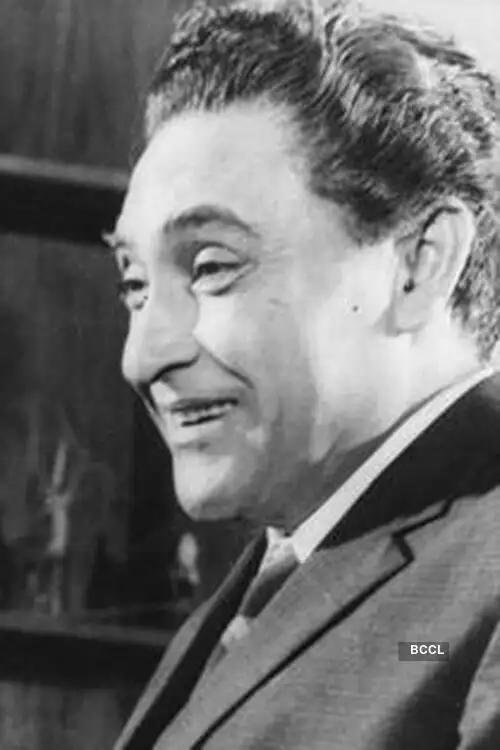
Legacy, Influence, and Lasting Impact
Ashok Kumar’s legacy rests on longevity and quality. He worked for over five decades. He stayed relevant through change. Cinema evolved around him. He evolved with it.He helped normalize natural acting in Hindi cinema. Earlier films favored theatrical style. He reduced exaggeration. He brought everyday behavior to screen. This shift mattered. It shaped modern performances.
He mentored young talent. He shared advice generously. He encouraged patience and discipline. Many artists recall his kindness. He created a safe space on set. He valued teamwork.He also contributed beyond acting. He served on film boards. He supported industry causes. He respected technicians and writers. He believed cinema was collective work.
Awards recognized his contribution. He received the Dadasaheb Phalke Award. He also received Padma Bhushan. These honors reflected national gratitude. Yet he remained modest. He credited colleagues for success.
His personal life stayed simple. He enjoyed music and painting. He valued family time. He avoided scandals. This calm nature reflected in his work. Audiences trusted his image.
Even today, his films feel fresh. New viewers connect with his characters. His performances age well. They rely on truth, not trend. This quality keeps them alive.
Ashok Kumar passed away in 2001. His absence left a quiet gap. His influence continues. Film schools study his work. Actors cite him as inspiration. Viewers remember his gentle strength.
His story teaches endurance. Talent needs time and care. Change brings growth when accepted. Integrity builds lasting fame. Ashok Kumar lived these values.He was not just a star. He was a guide for Indian cinema. His journey mirrors the industry’s journey. His work remains a benchmark. His name stands for grace and craft.Ashok Kumar proved that simplicity can move millions. He showed that acting can be honest. His life and art remain deeply linked. Indian cinema stands richer because of him. https://www.amazon.com/shop/mayankshekharnanhejee