
Actor Raj Kapoor- Story of a showman
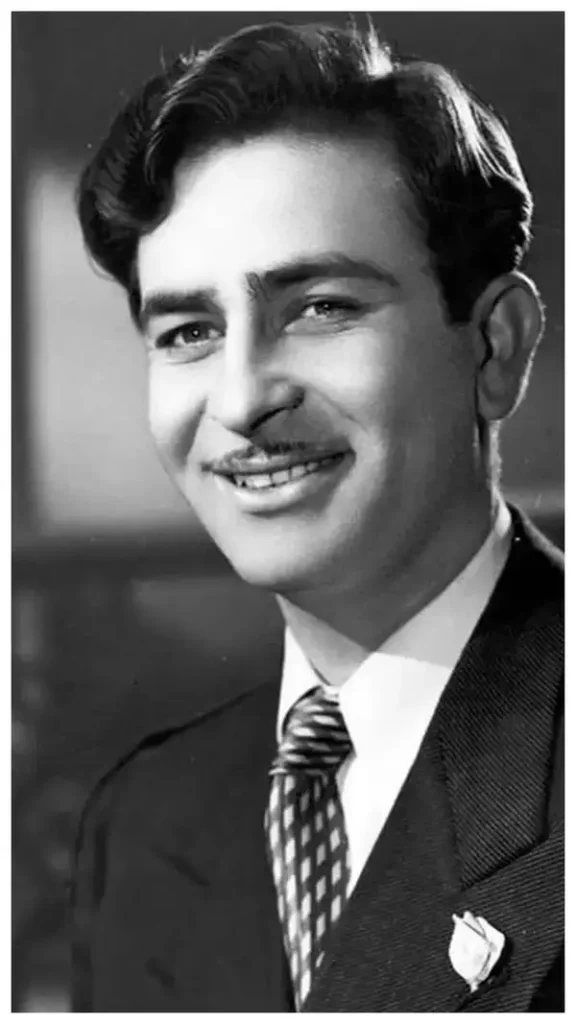
Raj Kapoor remains one of the most influential figures in the history of Indian cinema. He shaped films with emotion, music, and social meaning. Audiences across generations remember him for his expressive eyes and gentle smile. Critics admire him for his vision as an actor, director, and producer. His work connected popular entertainment with deep human concerns. He spoke to common people through simple stories. He also reflected dreams and struggles through cinema. Raj Kapoor did not just act in films; he created a cultural movement that still inspires filmmakers today.
Get Coffee Mug! Click on Image

Raj Kapoor was born in 1924 into the famous Kapoor family. His father, Prithviraj Kapoor, already carried a strong reputation in theatre and films. The family environment introduced Raj Kapoor to acting at a young age. He observed rehearsals closely and learned discipline early. Theatre shaped his sense of performance. Hard work guided his early growth.
BUY NOW! CLICK ON PHOTO

Raj Kapoor: Entry into Films
He entered films as a child actor. Small roles helped him understand the camera. Later, he trained as an assistant director. That experience taught him storytelling and technical skills. He studied lighting, framing, and editing. These lessons strengthened his confidence. He decided to become a leading actor.
Raj Kapoor made his debut as a hero in the late 1940s. Early films showed promise but also struggle. He faced competition from established stars. Yet, he believed in his style. He chose emotional roles with social themes. His acting felt natural and warm. Audiences responded with affection.
Soon, he took a bold step. He founded R.K. Films at a very young age. This decision showed courage and ambition. He wanted creative freedom. He wanted to tell stories from his heart. His banner became a symbol of quality cinema. Each film carried his personal touch.
Raj Kapoor introduced the image of the lovable tramp. This character wore simple clothes and carried innocence. The role reflected the influence of Charlie Chaplin. However, Raj Kapoor added Indian emotions and values. The character represented the poor yet hopeful citizen. Viewers felt an instant connection. This image became timeless.
Rise as the Showman of Indian Cinema
Raj Kapoor reached great heights during the 1950s and 1960s. Films like Awaara, Shree 420, and Boot Polish brought him massive success. He combined entertainment with social commentary. He spoke about poverty, morality, and justice. Music supported his storytelling. Songs expressed inner feelings clearly.
Awaara became a landmark film. The story explored crime and society. Raj Kapoor played a conflicted man shaped by circumstances. The film traveled across borders. It gained popularity in the Soviet Union and other countries. Indian cinema earned global attention. Raj Kapoor became an international star.
In Shree 420, he portrayed an honest man facing temptation. The film questioned materialism. It celebrated integrity. The famous song “Mera Joota Hai Japani” became iconic. The lyrics reflected pride and simplicity. Audiences remembered the message easily. Cinema turned into a mirror of society.
As a director, Raj Kapoor showed strong visual sense. He used symbolism with care. Rain, roads, and cities appeared often. These elements carried meaning. He paid attention to details. He guided actors patiently. His sets felt lively and realistic.
He also encouraged new talent. Many actors, writers, and musicians grew under his banner. He trusted young artists. He valued teamwork. Music directors like Shankar-Jaikishan flourished with him. Lyricists expressed poetic depth. Together, they created memorable soundtracks.
Raj Kapoor earned the title “Showman of Indian Cinema.” This title reflected his grand vision. His films balanced art and commerce. He entertained masses without losing depth. He believed cinema should touch the soul. His confidence shaped every project. Success followed his dedication.
Later Years and Enduring Legacy
Raj Kapoor continued working actively in later years. He experimented with themes of love and desire. Films like Satyam Shivam Sundaram and Ram Teri Ganga Maili created discussion. He explored human emotions openly. Some critics questioned his choices. Still, audiences engaged strongly.
Health issues affected him gradually. Despite challenges, he remained passionate. He supported his family and industry colleagues. His children carried forward the Kapoor legacy. Each generation added new achievements. Raj Kapoor watched Indian cinema evolve with pride.
https://mayanknanhejee.in/wp-content/uploads/2025/07/08rajkapoor_1464868169_725x725.webp
In 1988, Raj Kapoor passed away. The nation mourned deeply. Artists from all fields paid tribute. His funeral reflected his impact. Fans remembered his songs and scenes. His films continued on television and festivals. New viewers discovered his charm.
Raj Kapoor’s legacy remains powerful today. Film schools study his work. Directors draw inspiration from his storytelling. Actors admire his emotional honesty. His tramp character still symbolizes hope. His films still feel relevant.
He taught cinema to speak simply. He showed that emotions cross language barriers. He proved that popular films can carry meaning. His contribution shaped Indian cultural identity. Few artists achieve such influence.
Raj Kapoor lived as an artist and a dreamer. He believed in humanity and compassion. His cinema celebrated life with all its flaws. Time has not faded his importance. His name still commands respect. Raj Kapoor remains eternal in the heart of Indian cinema. https://www.amazon.com/shop/mayankshekharnanhejee