Actor Manoj Kumar Story Video
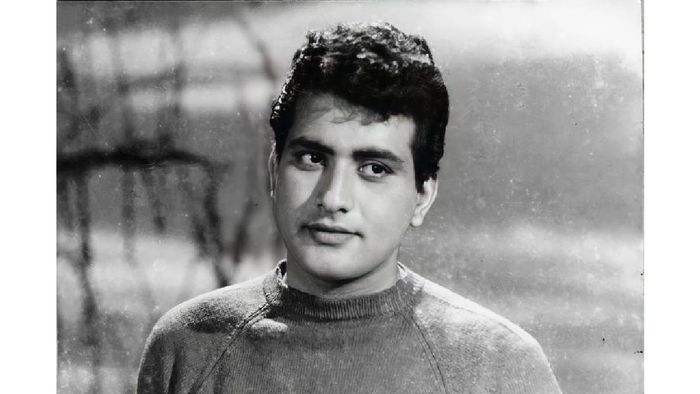
Manoj Kumar remains one of the most respected actors in Indian cinema. Audiences remember him not only for his performances but also for the values he carried on screen. He shaped a special identity through films that spoke about the nation, the farmer, the soldier, and the common citizen. His career showed how cinema could entertain while guiding society. His work created a bridge between emotion and responsibility. Manoj’s name still evokes respect, nostalgia, and pride.
Manoj Kumar was born as Harikrishan Goswami in Abbottabad, which later became part of Pakistan. His family moved to India during the Partition, and this experience shaped his thinking. The struggle of migration left a deep mark on his mind. He observed hardship closely, and he understood loss early in life. These memories later influenced his choice of roles and themes.
He admired actors like Dilip Kumar and Ashok Kumar during his youth. He developed a strong interest in films and storytelling. Manoj changed his name to Manoj Kumar after being inspired by Dilip Kumar’s character in the film Shabnam. This decision marked his emotional connection with cinema. He wanted to act with purpose, and he wanted to speak through his characters.
Manoj Kumar: Entry into Cinema
Manoj Kumar entered the film industry in the late 1950s. His early films included small and supporting roles. He worked patiently and learned the craft step by step. Success did not arrive overnight. He faced rejections, but he continued to improve his skills. He paid attention to dialogue delivery and facial expressions. These efforts slowly brought recognition.
His breakthrough came with films like Hariyali Aur Rasta and Woh Kaun Thi?. These films showed his ability to play romantic and mysterious roles. Audiences accepted him warmly. He proved that he could carry a film as a leading actor. This phase built a strong foundation for his future work. It also gave him confidence to experiment with meaningful themes.
Rise of the Patriotic Image
Manoj Kumar’s career changed direction in the mid-1960s. He felt a strong responsibility toward the nation. He believed that cinema should reflect social values. This belief led him to patriotic storytelling. He created a unique image that no other actor had explored so deeply at that time.
The film Shaheed became a turning point. He played the role of freedom fighter Bhagat Singh. The performance touched millions of viewers. The film inspired young audiences and revived respect for national heroes. Manoj Kumar showed honesty and restraint in his acting. He avoided exaggeration, and he focused on inner strength. This approach made the character believable.
Later, Upkar firmly established his patriotic identity. The film focused on farmers and soldiers. It highlighted the slogan “Jai Jawan Jai Kisan,” which reflected the spirit of the nation. Manoj Kumar not only acted in the film but also directed it. He showed deep concern for rural India and its struggles. The film connected with people from villages and cities alike.
He continued this theme in films like Purab Aur Paschim. The story compared Indian values with Western lifestyles. Manoj Kumar played a traditional Indian who believed in culture and discipline. The film did not reject modernity, but it questioned blind imitation. Audiences appreciated this balanced message. The film became very popular in India and abroad.
Another important film was Roti Kapda Aur Makaan. This film addressed basic needs like food, clothing, and shelter. It reflected the problems of unemployment and poverty. Manoj Kumar presented these issues in a simple and emotional manner. The film showed how common people struggled to survive with dignity. It became one of the biggest hits of its time. https://mayanknanhejee.in/wp-content/uploads/2025/07/manojkumardeath_d.jpg
Because of these films, Manoj Kumar earned the title “Bharat Kumar.” This name symbolized his deep association with national themes. He accepted this image with pride. He understood the responsibility that came with it. His films encouraged unity, discipline, and self-respect. They also reminded audiences of their duties as citizens.
Legacy, Influence, and Later Years
Manoj Kumar’s influence extended beyond acting. He contributed as a director, writer, and producer. Manoj believed in complete involvement with his films. He paid attention to music, dialogues, and visual symbolism. Many of his films included patriotic songs that remain popular even today. These songs carried emotion and meaning.
Manoj Kumar stands as a symbol of meaningful filmmaking. He showed that an actor could shape public thought responsibly. He used popularity as a tool for awareness. His journey proves that cinema can serve society while remaining entertaining. His name remains firmly etched in the history of Indian cinema, not only as an actor, but as a voice of national conscience. https://mayanknanhejee.in/wp-content/uploads/2025/07/manojkumardeath_d.jpg
Manoj worked with several leading actors and actresses of his time. He shared good professional relationships with his colleagues. He supported new talent and respected senior artists. His disciplined working style earned him admiration within the industry. He avoided controversies and maintained dignity throughout his career.
In the later years, Manoj Kumar reduced his on-screen appearances. He chose to stay away from changing trends that did not match his values. He believed that cinema should maintain a moral compass. Although he acted less, his earlier films continued to influence filmmakers and actors. Many directors acknowledged his role in shaping socially responsible cinema.
He received several awards and honors for his contribution to Indian cinema. These included national recognition and lifetime achievement awards. These honors reflected public appreciation and institutional respect. However, his true reward came from audience love. People remembered him as an actor who spoke for the nation.
Manoj Kumar’s films remain relevant even today. They address issues that still exist, such as unity, self-reliance, and social justice. His storytelling style may appear simple, but it carries depth. He believed in clear messages and strong emotions. This clarity made his films accessible to all sections of society.
Younger generations may not have grown up watching his films in theaters. Still, his work continues to reach them through television and digital platforms. His characters teach lessons without preaching loudly. They speak through actions and choices. This quality makes his cinema timeless. https://www.amazon.com/shop/mayankshekharnanhejee